
behavioral health integration

Integrated Care Thought Leader Series: Dale Klatzker, PhD

The Times, They Are a-Changin’

When Bob Dylan wrote this iconic song, many felt that it captured the spirit of social and political upheaval of the 1960s, much in the same way that we view mental health as “a-changin’.”  And these changes require mental/behavioral health providers to change the manner in which they deliver services.

Reports over the past decade have brought attention to the current mental health crisis:

In addition, over the past few years far too many catastrophic events have brought attention to this mental health crisis, resulting in a public outcry, demanding that changes are made to prevent future tragedies.

But change isn’t easy.

The relatively brief history of community mental health services has been a challenging one. Just a few months ago, as we celebrated the 50th anniversary of President John F. Kennedy’s signing the Community Mental Health Bill into law, the conversations quickly progressed to the subject that is on the minds of virtually all behavioral health providers—and an unusually large number of the general public and policy makers, given the historical lackluster interest in the topic—mental health is in dire need of change.

The economic downturn in the US in 2008 resulted in massive budget cuts in all but a few states. The March 2011 NAMI report, State Mental Health Cuts: A National Crisis, demonstrated the cumulative cut to mental health services in the U.S. during that time was nearly $1.6 billion. Community mental health services plummeted from being barely adequate to the critical point in many states. Safety-net providers were forced to close programs due to the slashed budgets. Many of those affected ended up on the streets or in jail.

The recent announcement on the anniversary of the Sandy Hook tragedy, of the planned infusion of dollars into help repair our broken mental health system, is encouraging. However, the entire mental health system is in dire need of an overhaul. One that looks at the broader healthcare picture and strategically plans for mental health and substance use disorder treatment to be included. A person-centered, whole health approach to treatment is necessary for improving the patient experience of care; improving the health of populations; and reducing the per capita cost of health care: the Triple Aim.
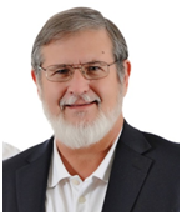
Dale Klatzker, PhD
Dale Klatzker, PhD

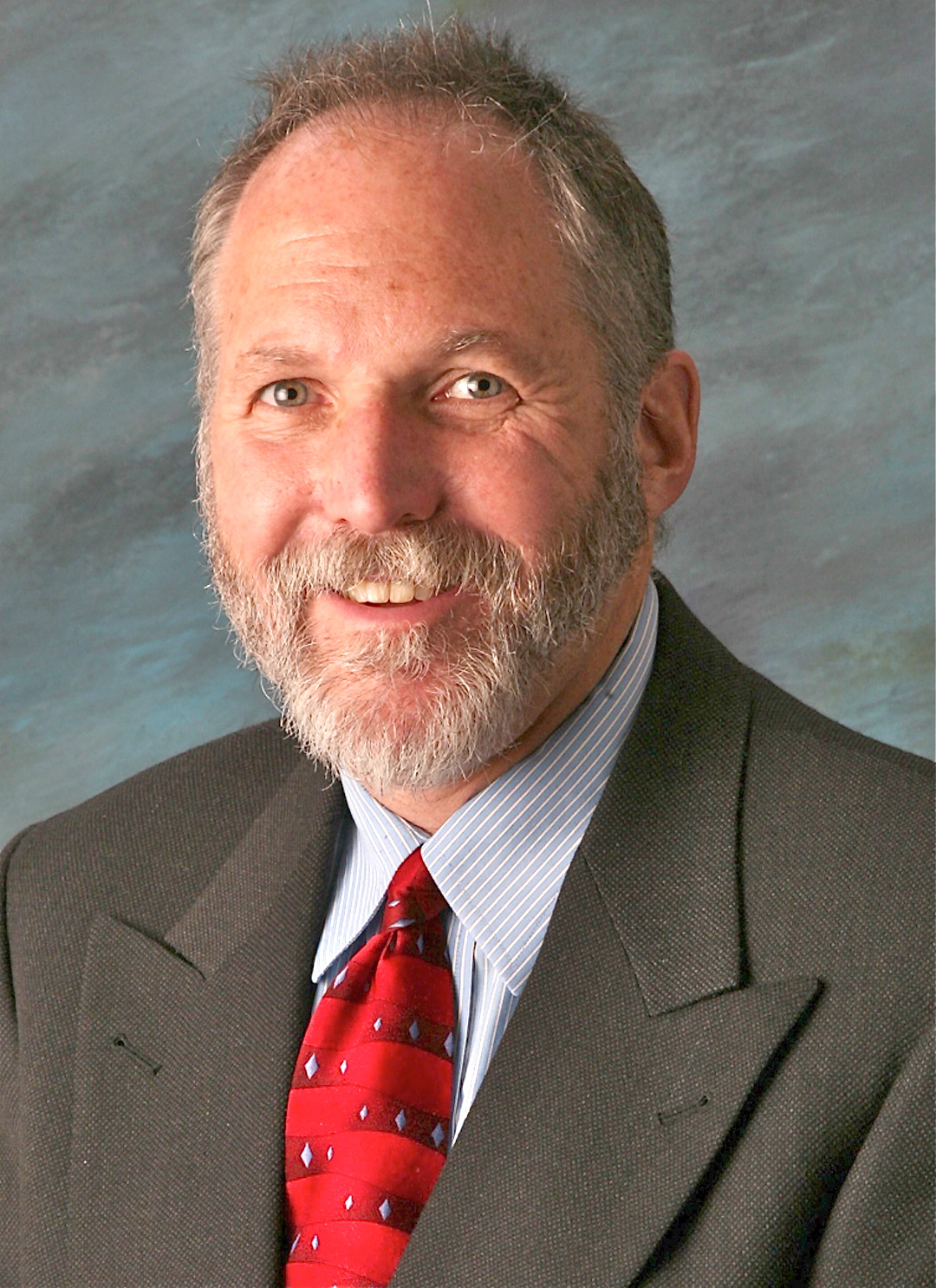
Dr. Dale Klatzker knows that, although it isn’t easy, change is vital for community behavioral health providers.

It’s exciting to be able to offer a look at integrated care from the perspective of a provider, particularly a provider who has demonstrated leadership excellence in integrating behavioral health and primary care services. Dr. Klatzker currently serves as the Chief Executive Officer of The Providence Center in Providence, Rhode Island. He has been a leader in behavioral healthcare for more than 35 years. Since becoming president/CEO of The Providence Center in 2004, Dr. Klatzker, a visionary, has transformed the system of care, quality of service delivery, and social policy decision making at The Providence Center and the state of Rhode Island.  Click here for Dr. Dale Klatzker’s bio.

The Providence Center and the Providence Community Health Centers have created a successful partnership to meet the whole-health needs of the people they serve within their community; a need that is clearly outlined in the literature. According to the Robert Wood Foundation’s Mental Disorders and Medical Comorbidity authored by Dr. Benjamin Druss and Elizabeth Walker, comorbidity between medical and mental conditions is the rule rather than the exception:

In 2002, more than half of disabled Medicaid enrollees with psychiatric conditions also had claims for diabetes, cardiovascular disease (CVD), or pulmonary disease, substantially higher than rates of these illnesses among persons without psychiatric conditions. The authors conclude that the high prevalence of psychiatric diagnoses among people with chronic medical conditions should be an impetus for prioritizing the improved integration of behavioral and medical care.

What advice do you have for healthcare leaders?

Dr. Klatzker:  Change is a good thing. Most CMHCs haven’t changed a lot. They haven’t prepared themselves to change a lot and have marginalized themselves and the people that they serve by not being more a part of the mainstream. We have sets of skills that are integral to wellness and to health across a wide spectrum. We need to be proud of what we do, but also to expand it and extend it because this is the perfect time for this. We have a lot of things to offer that others are trying to replicate.

Things don’t stay static. You have to look though the windshield but also through the rear-view mirror. You have to know where you are but you also have to know where you’re going.

As executive director/CEO of a behavioral health organization, you have the obligation to push yourself, and that will push your organization, to do what is necessary so that your mission is reinforced but also to serve the needs of the community. It’s hard to do that if you’re doing the same thing you did 20 years ago. We do our consumers a disservice if we do that.

Person-centered approach to care

Dr. Klatzker: What we’ve embraced here – what’s part of the DNA of the organization at The Providence Center – we  believe in a person-centered approach to care. No two people are exactly the same. The people that we work for deserve as much access to a wide array of both health and social supports as anyone. That’s how you have to guide yourself. When you’re thinking of those things, primary care integration, working much more toward the mainstream of traditional healthcare is imperative for us.(7:14)

What we’ve found is, if you can build those relationships and find the right connections, then others will embrace you and value you for what you bring to the table. In fact, we bring a lot. Partnership is always the first choice, the default.

We don’t chase dollars, we don’t create programs because it’s the idea du jour from some funder somewhere, we consciously look on our mission as our touchstone and build upon that to provide as much choice to the people we serve. We can be very person-centered because there aren’t many gaps in what we’re providing. (They provide a wider array of services than the average CMHC) We’ve consciously built out a wide array because we think it’s the right thing to do. Rather than to take a “no,” if we can’t partner, we build.

Example of a successful integrated care partnership

Dr. Klatzker: The Providence Center is closely connected to one the largest federally qualified health center in the state of Rhode Island, the Providence Community Health Center. We have become the largest community mental health center. Neither had a desire to replicate the services that the other provided. Over the years we’ve built this into a “no wrong door” integrated collaborative effort so that in the mental health center, the FQHC runs a full-service practice with 1100-1200 patients. In the FQHC, we are integrated in their physician practices building and we also have a separate section of their building where we provide longer term care and some other types of specialty care. We’ve integrated our records with each other. We meet frequently to process and to try to figure out how to make our care efficient and effective. We are working closely with them now on adopting our health home model to integrate a modified health home into the FQHC.

Yes, the times they are a-changin’. And so are healthcare providers. (At least the forward-thinking providers like The Providence Center.) They are heeding the findings from the numerous expert reports and research. They are thinking outside the box, adopting a person-centered approach that enables better outcomes for the many who place their trust in them—trusting them to take care of their whole-health needs.

behavioral health integration · Integrated Care · mental health

John F. Kennedy’s Community Mental Health Act of 1963: 50th Anniversary

Today marks the 50th anniversary of the date that President John F. Kennedy signed the 1963 Community Mental Health Act into law. It was to be the last before his death on 11/22/63. The Act represents a monumental turning point in the treatment of psychiatric disorders. President Kennedy’s call to action in 1963 was based on a belief that all Americans – including those with mental illnesses, intellectual disabilities, and addictions – have a right to lead dignified lives and to share in the benefits of our society. Patrick Kennedy, nephew of President Kennedy and former U.S. Representative of Rhode Island, is steadfast in his efforts to continue this important work via the Kennedy Forum.

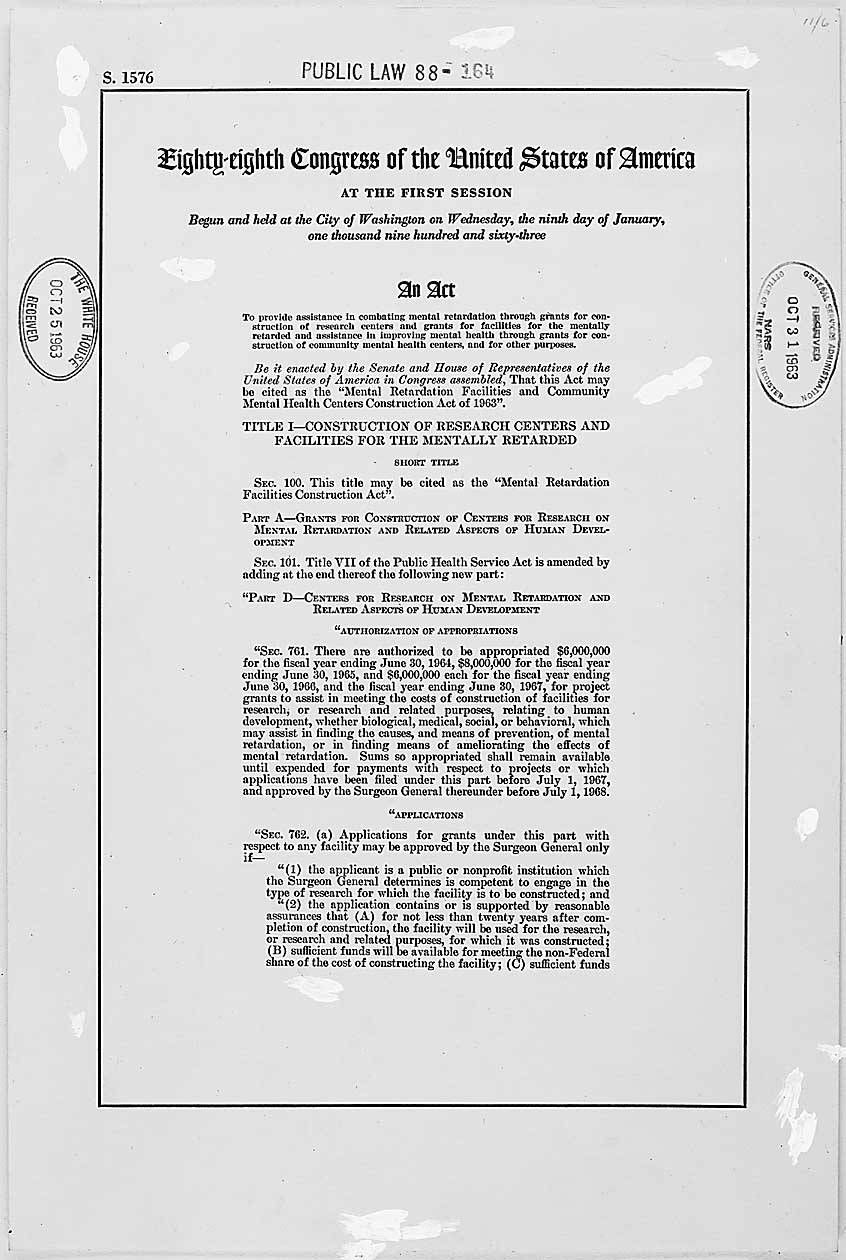
Act of October 31, 1963 “Mental Retardation Facilities and Community Mental Health Centers Construction Act of 1963”, Public Law 88-164, 77 STAT 282, “to provide assistance in combating mental retardation through grants for construction of research centers and grants for facilities for the mentally retarded and assistance in improving mental health through grants for construction of community mental health centers, and for other purposes.”, 10/31/1963 (Figure 1 below)

History of Psychiatric Treatment

Figure 1: Mental Retardation and Community Mental Health Centers Construction Act of 1963

Early attempts to treat mental illness are thought to date back to 5000 B.C. or earlier, based on the discovery of trephine skulls. A series of barbaric practices followed for millennia. It is suspected that the first asylums were established around the sixteenth century. These early facilities offered no real treatment despite their primitive attempts at cures, consisting of the use of leeches, purges, barbaric contraptions, and the use of chains and other restraints. Conditions gradually began to improve by the mid 1800s thanks to efforts led by humanitarians such as Dorothea Dix. Treatment reform in the asylums offered a more humane approach to the care of people with mental illness.

New treatment options followed in the early twentieth century, including psychoanalysis, introduced by Austrian neurologist, Sigmund Freud, and electroconvulsive therapy, introduced by Italian neuropsychiatrists, Ugo Cerletti and Lucio Bini. Psychopharmacology followed, arguably providing the single most significant change in treatment to date. A former colleague, psychiatrist, Dr. John Wolaver, remarked that when Thorazine was introduced in the psychiatric hospitals, the facilities were suddenly calm and quiet for the first time. It seemed to be a miracle cure. Psychopharmacology provided the next necessary step that led to deinstitutionalization.

The introduction of the Mental Retardation and Community Mental Health Centers Construction Act of 1963, Public Law 88-164, a bold new effort,  forever changed the face of mental health treatment. Prior to this, it was not uncommon for individuals with behavioral health conditions to be hospitalized for many years; hundreds of thousands lived their lives in institutions and were buried on the grounds. Unfortunately, this deinstitutionalization effort fell short of its goal. The USA Today report, Kennedy’s Vision for Mental Health Never Realized, takes a candid look at this.

Figure 2 below illustrates the decrease in inpatient treatment between 1950 and 1995. As the psychiatric hospitals decreased in size, the homeless population grew. The jails and prisons began to fill with the individuals with behavioral health conditions. According to the 10/24/13 article, Why Are The Three Largest Mental Health Care Providers Jails? published by NewsOne:  The three largest mental health providers in the nation are the following jails: Cook County in Illinois, Los Angeles County and Rikers Island in New York. 

Figure 2: Deinstitutionalization

Integrated Care

Many thought-leaders believe that we have embarked upon another pivotal point in mental health (or more broadly, behavioral health) treatment. Mental Health: A Report of the Surgeon General published in 1999 called for the integration of behavioral health and primary care. And the 2006 NASMHPD report, Morbidity and Mortality in People with Serious Mental Illness has prompted the movement toward a whole health approach to treatment that integrates behavioral health and primary healthcare. This promising trend offers hope for improved access for individuals who live with mental health and/or substance use disorders, improved health outcomes, and controlling healthcare spending.

Let us work together to address health conditions wherever the individual presents for treatment. Healthcare must be redefined to include behavioral health. By removing the healthcare silos, providers will begin to recognize and treat the comorbid conditions in their patients. Mind-body integration improves patient outcomes and reduces costs.

Integrated care is necessary for improving the lives of of those who might have spent his or her life chained in a dungeon centuries ago. It is a key element in our efforts to achieve the Triple Aim.

behavioral health integration

Integrated Care Thought-Leader Series: Larry Fricks

“When you look at people holistically and start valuing their mind-body resiliency, I think there is a level of excitement, and better outcomes.”

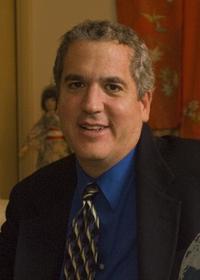
Larry Fricks
Larry Fricks

September is Recovery Month. This year’s theme is Join the Voices for Recovery: Together on Pathways to Wellness. It is very fitting that Larry Fricks is our featured Integrated Care Thought Leader this month, as he is one of the nation’s greatest leaders in peer-led services, wellness, and recovery. An amazing individual who has devoted his life to helping others, Mr. Fricks was gracious enough to his insights into the importance of whole health wellness and resiliency and the vital role of engaging with people who have the lived-experience to provide support through the process. He offered insight into the role that a whole health approach plays in improving health outcomes and managing wellness. Drawing from his own experiences, Mr. Fricks identified many factors that contribute to a person’s recovery process. Acknowledging that factors such as race, socioeconomic status, and personal support system play a crucial role:
“I don’t think you can underestimate what social determinants do to break somebody down.”

Larry Fricks is Director of the Appalachian Consulting Group and Deputy Director of the SAMHSA-HRSA Center for Integrated Health Solutions. For 13 years he served as Georgia’s Director of the Office of Consumer Relations and Recovery in the Division of Mental Health, Developmental Disabilities and Addictive Diseases. A founder of the Georgia Mental Health Consumer Network and Georgia’s Peer Specialist Training and Certification, he has a journalism degree from the University of Georgia and has won numerous journalism awards. He is a recipient of the American Association for World Health Award and the Lifetime Achievement Voice Award from the Substance Abuse and Mental Health Services Administration for the development and adoption of multiple innovative, community recovery-oriented programs and services. Mr. Fricks’s recovery story and life’s work to support the recovery of others was published by HarperCollins in the New York Time’s best-selling book Strong at the Broken Places by Richard M. Cohen. (Click here for video of Mr. Fricks’s interview on the Today Show.) He is also the creator of the Whole Health Action Management (WHAM) training, a best practice model which strengthens the peer workforce’s role in healthcare delivery.

From Peer Support to Whole Health and Resiliency

I first met Mr. Fricks in 2000 in Rockford, Illinois. He was the keynote speaker at the Consumer Family Forum, addressing a group who receive behavioral health services, their families, and behavioral health professionals from across the state. His passion resonated among the 300+ attendees as he shared his personal recovery story, urging others to believe that recovery is possible. I vividly recall (and have frequently shared with others) a very moving story that he shared about an initiative that has grown to be The Gardens at Saint Elizabeths: A National Memorial of Recovered Dignity, honoring the hundreds of thousands of people who died and were buried in unmarked graves on the grounds of psychiatric hospitals…and were forgotten:

Larry Fricks: Their graves were decimated and desecrated and they have no markers and people didn’t care about maintaining their graves. They walked the Earth and they had a life. Mothers, husbands and wives, children. They had wonderful things happen, and they saw miracles, and they had heartbreak, and you’re just honoring that experience. I just really believe that the Memorial is drawing people that I never expected to draw…very inspiring.

Through the years, Mr. Fricks has traveled from state to state, providing inspiration to so many, sharing his vision, and leading the way to transforming the way behavioral health organizations provide services. He led the national initiative to include peer-led services as a core feature, and is now working with states to embed Peer Support Specialists and Family Peer Specialists in integrated healthcare efforts as well. He currently divides his time between his work with the Appalachian Consulting Group based in Georgia, and his work in Washington, DC, as Deputy Director with the SAMHSA-HRSA Center for Integrated Health Solutions which has included testifying at Congressional Hearings on Mental Health.

Larry Fricks: We now know that things like a social network and service to others are huge health and resiliency factors. People who are in service to others tend to be healthier and they tend to live longer. Also they tend to be more resilient toward relapse or illness. So my life striving to be in service to others to strengthen their health and maybe strengthen their skills in recovery has had the benefit of strengthening my own recovery.

While his earlier work has focused on the role of Peer Support in the recovery process, Mr. Fricks’s work has broadened the focus to include a whole health approach. With startling reports that people with serious behavioral health conditions are dying decades earlier on average than the general population, he led a team at the SAMHSA-HRSA Center for Integrated Health Solutions to create a training called Whole Health Action Management (WHAM) that is designed to address this disparity though self-management supported by peers. Mr. Fricks has great praise for the effort in Georgia to develop Peer Support, Wellness, and Respite Centers that are reducing hospitalizations.

Larry Fricks: Let me tell you about what excites me. Georgia has three of these Peer Support, Wellness, and  Respite Centers and they’re going to open two more. I’m very excited about what’s going on in those centers. Basically, if you feel early warning signs of your illness, or your addiction, you can go to one of these peer respite centers where you have your own bedroom and you can stay up to seven nights, chill out, and you’re surrounded by peers trained holistically to support your wellness. I think it’s really cutting the need for more intense crisis services and hospitalizations. So I had a chance to actually pull a shift in one of them, I answered the warm line and experienced what it was like to provide healing support by simply listening, or maybe just ask a few quetions for deeper reflection like we are trained to do. These peer support wellness centers are returning us to whole health. Removing some of the stigma, giving us a sense of owning our recovery and being proactive, and really engaging peer support to be successful. Georgia is leading the nation. With three we had more than any state, and with five we’ll really be out in front.

What’s next on the horizon?

Larry Fricks: I’m really excited about epigenetics. On April 2 of this year, Time magazine had a cover story on curing cancer, and this whole science on epigenetics basically says DNA does not have the last say. There are mind-body resiliency factors and there’s more and more research on epigenetics. “Epi” means over and the epi is the cell structure over your genome, over the DNA. And what they’re saying here is: Things that you do, like what you eat and managing stress to stay well, it determine which genes switch on and switch off. And so being aware of this thing, if you look at the WHAM training, we include ten health and resiliency factors which we got from Dr. Greg Fricchione who used to run Mrs. Carter’s Mental Health Program [at the Carter Center], and now he’s director of the Benson-Henry Institute for Mind Body Medicine. These prevention doctors are big on something called the Relaxation Response, and so we’re looking at the things you can do to switch on and switch off gene markers; and they can impact the next generation.

And in parting:

I’m aware that there are just people and things that happen in your life that, if you’re open to it, you work on staying connected and having faith, your life can experience great meaning and purpose.
D
r. Martin Luther King, Jr. said “We’re all bound in a mutual destiny and I’m not all I can be until you’re all you can be, and you’re not all you can be until I’m all I can be.” We should be about connection. We should be about cooperation, and there’s a spiritual power to that, and when you’re open to it, positive things just seem to happen. And you’re inspired by it.

Sometimes you want to shake your head and say, “Oh my gosh, why don’t I have more faith?”


behavioral health integration · behavioral health primary care integration · collaborative care · healthcare integration

Integrated Care Thought Leader Series: Benjamin Druss, MD, MHP

“That’s the next direction that [organizations] need to go, bringing substance abuse back into the discussion. We need to go past just the integration of primary care and mental health care to a more Whole Person Care.”

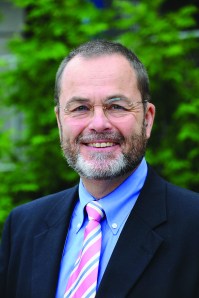
Benjamin Druss, MD, MHP

It has been my pleasure to talk with Dr. Benjamin Druss for this edition of the Integrated Care Thought Leader Series. Having had the privilege to work with Dr. Druss on various integrated care projects over the past few years, I have come to respect not only his keen insight into what’s needed beyond the horizon for the care of people with behavioral health disorders, but the compassion and dedication he brings. His humility and brilliance are evident upon introduction; he’s a true visionary. Dr. Druss, my mentor and my friend, has provided inspiration to me in my work and outlook on the world of healthcare, integration, and beyond.

Dr. Druss, world-renown researcher in health policy, has made a significant contribution to healthcare and the integration of behavioral health and physical health. He has impacted the lives of many individuals as a result. As the first Rosalynn Carter Chair in Mental Health, Dr. Druss is working to build linkages between mental health, general medical health, and public health. He works closely with Carter Center Mental Health Program, where he is a member of the Mental Health Task Force and Journalism Task Force. He has been a member of two Institute of Medicine Committees, and has served as an expert consultant to government agencies including the Substance Abuse and Mental Health Services Administration, the Centers for Disease Control, and the Assistant Secretary for Planning and Evaluation. He serves as professor at Rollins School of Health Policy and Management at Emory University.

Dr. Druss’s research focuses on improving physical health and healthcare among persons with serious mental disorders. He has published more than 100 peer‐reviewed articles on this and related topics, including the first randomized trial of an intervention to improve medical care in this population in 2001. His research is funded by grants from the National Institute of Mental Health and the Agency for Healthcare Quality and Research, and he serves as a standing member of an NIMH study section. He has received a number of national awards for his work.

Dr. Druss, Dr. Silke von Esenwein, and their colleagues at Emory University are currently conducting an exciting NIMH research trial, The Health Outcomes Management and Evaluation (HOME) Study. As described on the website clinicaltrials.gov: There is an urgent need to develop practical, sustainable approaches to improving medical care for persons treated in community mental health settings, this study will test a novel approach for improving mental health consumers based on a partnership model between a Community Mental Health Center and a Community Health Center. When this study is completed, it will provide a model for a medical home for persons with severe mental illness that is clinically robust, and organizationally and financially sustainable.

Dr. Druss received his bachelor’s degree from Swarthmore College in 1985, earned his medical degree from New York University in 1989 and later his master’s in public health from Yale University in 1995.He is also board certified in psychiatry. He trained as a resident in general internal medicine at Rhode Island Hospital and in psychiatry at Yale University School of Medicine. Click here for more information about Dr. Benjamin Druss

Advancement in integrated care through the years

Dr. Druss was one of the first to address the physical health concerns among people with serious mental illness and substance use disorders, particularly among the public sector populations in urban regions. During our discussion on integrated care, he addressed areas of change over the past 18 years that has had the greatest impact on the advancement of healthcare for people with serious mental illness. He described the world of Health Information Technology as a frontier that, over the past 10 years, has resulted in changing policies and procedures in healthcare. These changes have had significant impact on the ability for healthcare organizations to share information, resulting in improved care for patients.

Dr. Druss advises that the next stage needed for healthcare is to begin “broadly looking at other social determinants of health.” The focus should be on an approach to healthcare that is person-centered. The concept of addressing population health and creating a system of care will be a more effective approach to improving health outcomes moving forward. He recommends that substance abuse must be brought back into the discussion, and to go past just the concept of integration of physical health and mental health, toward a more “whole person care” approach.

What do you foresee for the field as we move forward?

Dr. Druss:  Clearly there’s going to be major changes in how care is delivered. I think there’s a lot of opportunity moving forward with new public sector models, Medicaid, patients with medical homes, and also the promise of new technologies moving forward as well.

I’m very optimistic; I think things will certainly be very different five years from now. We’re in a period where things are evolving very quickly and we don’t know exactly what the world will look like, but I think we can say that things will look different—and that things will look better.

Research has to change as well. I’m mostly a researcher and lot of what we’ve been doing is slow-paced. The slow-paced process by which we develop a model, and then test it over a five year period. You apply for a grant and then you test it for five years, then it’s another two years before it’s published. So we’re going to have to be looking for more ways for understanding data and evaluating programs. I think the new technologies will help, their more wide-spread availability will help. Just as the health system needs to change—and is changing—health research is going to need to change as well.

The funding agencies still are gradually coming to that point. NIMH has a new program that they are looking to fund that looks at natural experiments out in the community. So I think that’s the sort of research that we’re going to need to see more of in the coming years—good, careful, thoughtful evaluations of some of the demonstration projects going on out in the community.

What barriers to integration to you currently see?

Dr. Druss:  I’d say that a lot of community mental health centers are still on this part of the learning curve in terms of learning about integration, such as how potential partner organizations work, [such as] Federally Qualified Health Centers. [CMHC’s] often lack information technology infrastructure that makes it easier to do the work. There are some places, some community clinics, and other organizations that are out in front on these issues, that are early adopters, and there’s some that are trying to figure it out and hopefully will learn from the experience of those organizations that are further ahead.

Thank you, Dr. Druss, for your dedication to improving the health and quality of life of so many who live with serious behavioral health conditions.

Be sure to check back soon for our next Thought Leader, Larry Fricks, pioneer in the Peer Support movement.

A sampling of Dr. Druss’s cutting-edge research and other publications are listed below:

The Health Recovery Peer (HARP) Program: A Peer-Led Intervention to Improve Medical Self-Management for Persons with Serious Mental Illness
Benjamin G. Druss, Liping Zhao, Silke A. von Esenwein, Larry Fricks, Sherry Jenkins-Tucker, E. Sterling, R. Diclemente, K. Lorig

Behavioral Health Homes for People with Mental Health & Substance Use Conditions: Core Clinical Features
Laurie Alexander, PhD, Alexander Behavioral Healthcare Consulting, and Benjamin Druss, MD, MPH, Rollins School of Public Health, Emory University authored this document for the SAMHSA-HRSA Center For Integrated Health Solutions

A Randomized Trial of Medical Care Management for Community Mental Health Settings: The Primary Care Access, Referral, and Evalution (PCARE) Study
Benjamin G. Druss, M.D., M.P.H.. Silke A. von Esenwein, Ph.D. Michael T. Compton, M.D.,. M.P.H.. Kimberly J. Rask, M.D., Ph.D. Liping Zhao, M.S.P.H.. Ruth M. Parker, MD

Budget Impact and Sustainability of Medical Care Management for Persons With Serious Mental Illnesses
Benjamin G. Druss, M.D., M.P.H., Silke A. von Esenwein, Ph.D., Michael T. Compton, M.D., M.P.H., Liping Zhao, M.S.P.H., Douglas L. Leslie, Ph.D

Understanding excess mortality in persons with mental illness: 17-year follow up of a nationally representative US survey
Druss BG, Zhao L, Von Esenwein S, Morrato EH, Marcus SC.

Mental Disorders and Medical Comorbidity
Goodall S, Druss BG, and Walker ER

Understanding Disability in Mental and General Medical Conditions 2000
Druss BG, Marcus SC, Rosenheck RA, Olfson M, Tanielian T, Pincus, HA

Integrated Medical Care for Patients With Serious Psychiatric Illness 2001
Druss BG, Rohrbaugh RM, Levinson CM, Rosenheck RA

Mind and Body Reunited: Improving Care at the Behavioral and Primary Healthcare Interface publication 2007
Mauer BJ and Druss BG

Mental disorders and medical comorbidity publication 2011
Druss, BG and Walker ER

Research Projects:

Co-Principal Investigator, Robert Wood Johnson Foundation; Funding Period 9/1/96-1/31/98
“Chronic Illness, Disability, and Managed Care”

Principal Investigator, National Association for Research in Schizophrenia and Affective Disorders (NARSAD); Funding period July 1, 1996 – June 30, 1998
“Work and Health Care Costs associated with Depression Compared with Chronic General Medical Illnesses”

Principal Investigator, Donaghue Medical Research Foundation; Funding period July 1, 1996-Decmeber 31, 1999
“Costs of Depression for an Employed Population”

Principal Investigator, NARSAD; Funding Period July 1999-June 2001
“Treatment of Depression and Medical Illness Under Managed Care: Understanding the Differences”

Principal Investigator, NIMH K08 Mentored Clinical Scientist Award; Funding Period January 1999-December 2004
“Impact of Depressive Disorders in Health and Work Settings”

Principal Investigator, Robert Wood Johnson Foundation; Funding Period October 1, 2004-September 30, 2006
“Evidence-Based Management of Depression in Public-Sector Primary Care”

Principal Investigator: R34MH78583; Funding Period September 1, 2006-August 1, 2010
“Adapting a Medical Self-Management Program for a Community Mental Health Center”

Principal Investigator: K24MH075867; Funding period July 2006-June 2011
“Mending the Safety Net: Improving Linkages between CHCs and CMHCs”

Principal Investigator, AHRQ R18; Funding Period September 2008-September 2012
“An Electronic Personal Health Record for Mental Health Consumers”

Principal Investigator R21HS017649; Funding Period August 1st 2008-April 2010
“Mental Comorbidity and Chronic Illness in the National Medicaid System”

Principal Investigator, NIMH R01; Funding period August 2004-April 2014
“Improving Primary Care for Patients with Mental Disorders”

Principal Investigator NIMH MH090584-01A1; Funding Period 06/15/2011- 03/31/16
“A peer-led, medical disease self-management program for mental health consumers”

behavioral health integration · behavioral health primary care integration · collaborative care · primary care behavioral health integration

Integrated Care Thought Leader Series: Alexander “Sandy” Blount, EdD

“It’s very hard to do integrated care and still think of mental health and physical health.”

Welcome to the first in the Integrated Care Thought Leader Series. This series will focus on the forward-thinking individuals who have had the foresight to envision possibilities in the healthcare industry’s future. I’m pleased to begin the series with a man who has been instrumental in advancing integrated healthcare.

Alexander Blount, EdD

Alexander Blount, EdD, better known to most as “Sandy,” has played a very important role in bringing the integration of behavioral health and primary healthcare to its current prominent focus within the healthcare industry. Dr. Blount is credited with coining the term integrated primary care in his 1994 publication, “Toward a System of Integrated Primary Care,” Blount A, Bayona J. Family Systems Medicine, 1994;12:171-182.

He currently serves as Professor of Clinical Family Medicine and Psychiatry at the University of Massachusetts Medical School in Worcester, MA and Director of Behavioral Science in the Department of Family Medicine and Community Health.  He teaches resident physicians the psychosocial skills of primary care practice and founded the post-doctoral Fellowship in Clinical Health Psychology in Primary Care.  He was previously Director of the Family Center of the Berkshires in Pittsfield, MA and a faculty member at the Ackerman Institute for the Family in New York. He has more than thirty-seven years experience as a therapist, teacher of physicians and therapists, administrator and lecturer in the US and abroad.  He is a member of the National Integration Academy Council and has had a leadership role in state and national efforts developing healthcare policy.  His books include Integrated Primary Care: The Future of Medical and Mental Health Collaboration published by W. W. Norton and Knowledge Acquisition, written with James Brule’, published by McGraw-Hill.  Click here for more information about Dr. Blount.

It’s an honor to talk with Dr. Blount about the integration of behavioral health and primary care. Yes, he admits that he is optimistic about the direction in which the field is moving! His enthusiasm is almost palpable, with a freshness that belies the number of years he has devoted to the advancement of this revolutionary approach to healthcare. It’s apparent that this enthusiasm easily holds the attention of the students he teaches at UMASS.

Dr. Blount is a visionary whose diligent efforts and perseverance have made great strides toward bringing attention to the widespread failure to address the individual patient as a whole. He graciously agreed to provide insights for Behavioral Health Integration Blog:

What do you see as being the greatest barriers for successful integration of behavioral health and primary care services?

Dr. BlountI see two things:

First are the barriers that have always been there: regulatory barriers that are built on the idea that mental health and medical services have to be kept separate, financial barriers that only pay fee for service and define services as what is delivered in specialty mental health, and cultural barriers on the part of both medical and mental health people that make working together difficult without some cultural broker who can make the connections and translations necessary.  These have been our problems historically, and happily with the ACA and the PCMH movement, these are reducing.

The second area is the barriers caused by our own success.  Because integrated care is becoming more possible and is proving itself, there is pressure to start programs in settings where there is little understanding of what it entails and little time and resources to prepare for the change.  People are getting put into integrated programs or co-located, who aren’t trained for it and didn’t pick it. They don’t know what to do. They go in and do specialty mental health. They do what they’ve been trained to do…and it doesn’t work. Then administrators, who may have been skeptical initially, thought this was a fad, see this failure and think “oh yeah, I was right,” it was more inconvenient than useful. We felt we had to develop a training program at UMass Medical School available to these folks to prevent just this form of failure.

Also because there is sometimes a faddishness about integration, you get some administrators who become “true believers” who really don’t know how to do this. They see a presentation,  and they say this is what we are going to do–and they start it without any depth of understanding. It’s sort of the administrative version of the clinician that doesn’t work. We need clinicians who are fully oriented to integrated primary care and leaders who are aware of the difficulties of making these changes and who can develop the buy-in from the whole practice. Integrated pilot programs are often funded on three year cycles.  Places like the DIAMOND Project in Minnesota, where they’ve had some real time to make it work, say that it’s more like a five year cycle from beginning to fully transformed practice.  I fear that federal and private funders will think it will happen faster than it does and will turn away.

Another barrier to our success is the workforce crisis we are facing.  All of the government projections of what will be needed for behavioral health workforce, when compared to the number of people who are being trained, say we will have a terrible deficit, and those projections were made without any calculation of the workforce that has proved to be needed in mature integrated settings.  When word gets out that we will need a four-fold increase over 2010 levels in behavioral health clinicians in Federally Qualified Health Centers alone, not to mention the rest of the health system, the true magnitude of the problem will become clearer.

What excites you about the field today?

Dr. Blount: One, is absolutely the transition in payment models that may make a great leap forward happen. Essentially those models let us implement the clinical routines of integrated care. Up to now the payment models have dictated routines that weren’t very integrated.  Paying for health, rather than for services allows us to deliver evidence based care by the clinician best able to do it at the point that it is most sensible and acceptable to the patient.   Having it actually knitted into the flow of care makes a big difference.

And the other thing that I see happening is a transformation in how we conceptualize mind and body, illness and health.   It’s very hard to do integrated care and still think of “mental health” and “physical health”. The categories just begin to break down because they don’t describe the way people present. They don’t describe how problems form over the years. We’ve had science now for a good while on the plasticity of brain and the way that experience changes the brain and the brain changes experience. The current science even describes the way that experience changes what genes are expressed at various points in a person’s development.  In other words, the science of the brain has been there but the way of thinking in our day-to-day clinical lives has not because we have been enacting models build on conceptions of separate domains.  As we enact integrated clinical routines, we will begin to think differently.  We create the likelihood that the science of the brain will be mirrored in the unity of our conceptions about people and how we try to help them.

So I think, at least in the places that are more developed, the places that integrated care gets to be mature, you begin to see different forms of conceptualization and hopefully we’ll be documenting those, writing about those, helping to pull others along. There aren’t many places where integrated care is really mature. The places that are mature are very different in numerous ways that don’t initially seem to be connected to integration. The question of “isn’t integration interesting, how do we work on it?” just goes away and the questions are about new ways of helping patients, new groups of patients we can understand better, and new ways of involving patients on their care teams.  How we involve people in their own care, how we get past the doctor as leader and authority to doctor and the team as teachers and facilitators, that’s really the next piece. And when that is going well, I think that integrated care will sort of already be there.

Will you look into your crystal ball for us and tell us what you foresee in the future for integration?

Dr. BlountLet’s imagine that we get it right in terms of mature programming, mature routines of integration as far as our workforce allows.  Then we begin to be able to think about health and illness differently, and the whole set of concepts, the models that we have of understanding health and illness and how to influence those begin to move. I foresee the time when there’s a foundation of mature integrated care that we will be looking at great leaps forward in theory or great research leaps forward with greater understanding of what and how we should be researching. That’s one optimistic thing.

And when I look in my crystal ball I think we are going to have states that begin to have whole-state programs that are starting to be implemented and organized so that we can begin to look at the impact of integration on a really big scale.

Thanks so much to Dr. Blount for sharing his insights in the premiere of the Integrated Care Thought Leader series!

Check back soon for a conversation on integrated care with Benjamin Druss, MD, MPH, Rosalynn Carter Mental Health Chair and Department of Health Policy and Management Professor at Emory University.

behavioral health integration · behavioral health primary care integration

Challenges to Integrating Behavioral Health and Primary Care Services Revisited

One year ago a poll was published in the LinkedIn group, Behavioral Health Integration:

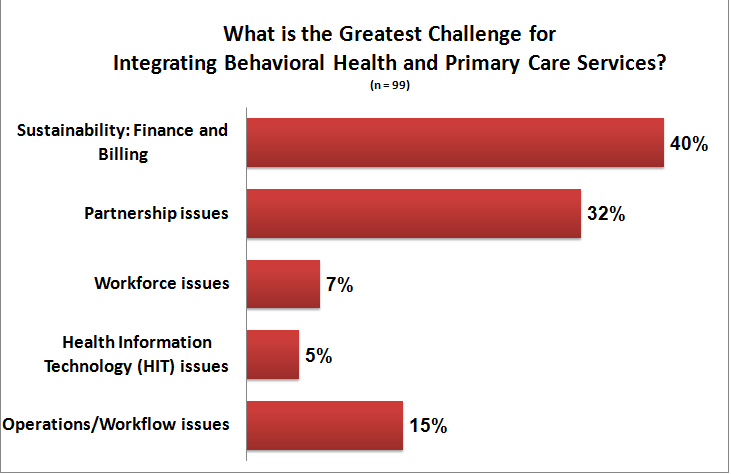
What is the greatest challenge for integrating behavioral health and primary care services?

The poll generated a tremendous amount of interest, both in voting on the poll and in comments. Much has happened in the healthcare industry in the past twelve months, changes that have an impact on the way behavioral health and primary care will be delivered in the future.

The greatest impact has come from the Patient Protection and Affordable Care Act (ACA) that was upheld by the Supreme Court of the United States on June 28, 2012. Though passed in 2010, the flurry of activity toward implementing began after the Supreme Court ruling. As states prepare for the 2014 implementation of the new health laws, more and more are agreeing to participation in the Medicaid Health Home plan.

Poll Results

As we near the end of the first quarter 2013, time is running out quickly for implementation. With integrated care playing a crucial role in health reform, the challenges for integrating healthcare services are more and more apparent. Revisiting the below results of the poll conducted one year ago, one has to wonder whether the perceived challenges remain the same among healthcare providers.

Poll results from LinkedIn group, Behavioral Health Integration 3/5/2012 - 3/5/2013
Poll results from LinkedIn group, Behavioral Health Integration
3/5/2012 – 3/5/2013

Finance and Billing

Poll responses indicated that sustainability issues related to finance and billing were the greatest challenge for integration efforts. While many providers have successfully overcome this barrier, it is no easy feat to develop a financially sustainable integrated services delivery system. Fortunately, the ACA created an optional Medicaid State Plan benefit for states to establish Health Homes to coordinate care for people with chronic conditions who receive Medicaid benefits. While only a handful signed on initially, there are currently 24 states and the District of Columbia who have elected to participate in the Medicaid Expansion. Fourteen states have elected not to participate; and 12 states remain undecided. (Click here for more information on where each state stands on ACA’s Medicaid expansion.)

States that are moving forward with Medicaid Health Homes are in the process of making adjustments to policies, billing, and service delivery to enable service providers to integrate behavioral health and primary care services, a requirement of Health Homes:

Health Homes providers will integrate and coordinate all primary, acute, behavioral health, and long-term services and supports to treat the whole person.” – Medicaid.gov

Partnership Issues

Regular visitors to this blog know that much has been published here about the partnership between behavioral health and primary care providers. This was ranked as second most challenging in the poll.

Why do so many people find partnership issues as challenging? It’s counterintuitive. Most providers approach the integration of behavioral health and primary care with a blind eye to the process of partnership development. It is assumed that the interpersonal aspects will fall into place. Unfortunately, it is far more likely that an integration effort will fail due to partnership issues than financial ones. They are not unlike other partnerships, requiring attention to building a strong foundation from the onset.

Here are additional resources:

Operations/Workflow Issues

All healthcare administrators acknowledge the importance of operations for successful service delivery. That’s why 15% of respondents to the poll indicated that this area is the greatest challenge. Once a smooth-running clinic takes on an entirely new service-line, a degree of disruption is inevitable. The workflow will likely be drastically different than the service providers and support staff have grown accustomed to. Of course, taking on a new service also means addressing the organization’s policies, regulatory requirements, physical space requirements, etc.

With a little careful planning and a LOT of patience, your new integrated clinic will be operating smoothly in no time. Click here for a useful integration planning checklist.

Workforce Issues

Seven percent of the respondents indicated that workforce is the greatest challenge. With the current shortage of primary care providers, nurses, and psychiatrists, it’s no wonder that this is of concern. Fortunately, programs for training about integrated care delivery are available, such as the University of Massachusetts Medical School’s Center for Integrated Primary Care, which offers three programs aimed at training healthcare providers for providing integrated services:

Health Information Technology Issues

Despite concerns over the dilemma of sharing health records for integrating behavioral health and primary care, health information technology garnered 5% of the responses. Fortunately vendors of electronic health records are working earnestly to develop products that allow for the seamless sharing of behavioral health and primary care records. (Click here for more information on the role of HIT in integrated healthcare.)

One Year Later

What are the greatest challenges to integrating behavioral health and primary care in 2013? What will be the challenges next year? Dare we suggest that in the near future there will no longer be challenges?

Additional Resources:

behavioral health integration

Integrated Healthcare Offers Solution to Inadequate Behavioral Health Services

Behavioral health advocacy groups are expressing concern over recent media attention about people who may or may not be suffering from mental illness.

And they should be.

The horrendous acts committed in the recent past in Connecticut, Oregon, Colorado, etc. are tragic acts of violence. However, make no mistake that these atrocities are NOT synonymous with mental illness.

The fear of advocacy groups, such as the National Alliance on Mental Illness, A New PATH, and Mental Health America, is that the association between behavioral health and these violent acts will result in increased stigma. These and other groups have worked diligently for many years to reduce/eliminate the negative stereotypes associated with mental illness and substance use disorders.

However, the grain of truth to be derived is that behavioral health services need to be more accessible. Ongoing cuts to behavioral health budgets by states over the past few years have resulted in inadequate coverage (click here for NAMI’s chart: State Mental Health Budgets FY2009-FY2012).

Community Behavioral Health Safety Net

Community behavioral health providers are mandated to serve more people with funding that is steadily decreasing and with no hope in sight. The safety net is nearly frayed beyond repair.

Health Reform has spawned a wide array of innovative approaches to healthcare delivery. The integration of behavioral health and primary care is one such alternative that holds great promise for mental health and substance use services.

When primary care providers integrate behavioral health services, there is a dramatic increase in access to services. When behavioral health is included in routine screenings, the stigma of seeking behavioral health services is removed and opportunity for early detection is dramatically increased. Depression, anxiety, and substance use screenings are normalized through inclusion with height, weight, and blood pressure.

Research shows that depression impacts such chronic health conditions as heart disease. Concurrent treatment of behavioral health and physical health conditions results in improved health outcomes. In addition, integrated behavioral health and primary care services results in reduced healthcare costs.

Integrating behavioral health and primary care is a win-win for patients and providers.

Healthcare providers across the US and in many other countries are integrating services in order to improve service delivery. As individuals, we can do our part by reporting both behavioral health and physical health symptoms to our healthcare providers. Remember, healthcare is a partnership. You are a vital member of your healthcare team.

Affordable Care Act · behavioral health integration

Behavioral Health Homes

In the midst of talk of healthcare reform, it is apparent that the face of healthcare is undergoing numerous changes from the traditional delivery system. Accountable Care Organizations and other collaborative efforts are proving to be viable solutions for addressing the gaps within healthcare, providing a glimpse of its future structure. Efforts are underway across the nation (and internationally) to integrate behavioral health and primary services within the ACOs as well as between community behavioral health and primary care providers.

The Patient Protection and Affordable Care Act has created a health home option in Medicaid for treatment of chronic conditions. Thus, the concept of the health home was created, with incentives in place for a more holistic approach to healthcare in an attempt to improve quality of care, contain or reduce costs, and improve outcomes. With behavioral health conditions meeting the established criteria for chronic conditions, behavioral health homes are the ideal solution for meeting the needs of people with serious behavioral health disorders who have not traditionally accessed healthcare on an ongoing basis. While the majority of information circulating regarding healthcare integration is related to integrating behavioral health into a primary care setting, it’s a mistake to assume that primary care will absorb all behavioral health services. Specialty behavioral healthcare plays a distinct and important role within healthcare. Individuals with serious mental illnesses historically receive the majority of their services in community behavioral health settings. Many prefer to receive their primary care services within this setting as well for a variety of reasons. Primary care, in its typical current structure, would require significant modifications to take on the added line of business. Many organizations have successfully managed this, with Cherokee Health Systems leading the way for decades. However, primary care clinics that are not prepared nor inclined to follow this model may defer to the Behavioral Health Home.

What is a Behavioral Health Home?

First, let’s talk about what it is not. It is not a group home or nursing home. It is not a physical structure meant to house those in need of behavioral health services. The behavioral health home is a behavioral health organization that serves as a health home for people with mental health and substance use disorders.

Behavioral Health Homes for People with Mental Health and Substance Use Conditions prepared by Dr. Benjamin Druss and Dr. Laurie Alexander for the SAMHSA-HRSA Center for Integrated Health Solutions provides a thorough overview and guidance for establishing the behavioral health home. This document provides practical information for providers in their efforts to provide a more comprehensive delivery system to address the triple aim of healthcare. Behavioral Health Homes for People with Mental Health and Substance Use Conditions is an excellent resource and a must-read for providers in their efforts toward transitioning their organizations into a behavioral health home.

behavioral health integration · behavioral health primary care integration · collaborative care · healthcare integration · primary care behavioral health integration

The Partnership: Choosing the Right Model for Your Integrated Healthcare Services

Determining the Model

How do partnering Community Behavioral Health Centers (CBHC) and  Community Health Centers (CHC) determine the ideal model for their foray into integration? There are many factors to consider such as:

  • What are the needs of the individuals served by the partnering organizations?
  • What are the needs of the community?
  • What resources do the organizations bring to the partnership?

Now that the partners have a solid foundation and clear vision for their collaboration, it is time for the careful planning that is necessary to make it a reality.  There are effective tools available to assist organizations in working through this very important process. (Please note that these suggestions and resources are not limited to community providers.) 

The MH/Primary Care Integration Options scale  is available on the SAMHSA-HRSA Center for Integrated Health Solution website. This is very helpful for leading the discussion among the members of the implementation team. The scale assists the partners not only in determining the current reality but also mutually deciding on the desired level of integration: Minimal Collaboration, Basic Collaboration from a Distance, Basic Collaboration On-Site, Close Collaboration/Partly Integrated, and Fully Integrated/Merged in each of these key functional areas:

  1. Access: How do individuals access services?
  2. Services: Are the services separate and distinct or are the primary care and behavioral health services seamless? Or perhaps somewhere in between.
  3. Funding: Do the partners share resources or are they separate?
  4. Governance: Are there separate boards of directors for each organization?
  5. Evidence-based Practices: Do the organizations administer the PHQ-9 or disease registries, for example, and share the results?
  6. Data: Do the partners share information? Do the providers have access to the partner’s EHR?

This assessment process is most effective when stakeholders from each organization are included. Ideally, representatives are included from clinical, management, and administrative departments, as well as a few individuals who use the services. It’s very helpful to have frontline staff and board members to take part as well.  Call center and reception staff offer a unique perspective that leadership frequently finds enlightening.

Other useful tools available include the National Council’s Success in the New Healthcare Ecosystem: Mental Health & Substance Use Provider Readiness Assessment prepared by Dale Jarvis.   This allows provider organization management teams to assess their organization’s readiness for engaging in the changing healthcare system.

Another tool to consider is the COMPASS-PH/BH  created by Zia Partners.  This self-assessment tool is used for primary care/behavioral health integration for implementation of a Comprehensive Continuous Integrated System of Care.

Making the Vision into a Reality

Once the ideal model of integration has been determined, the journey begins to make it a reality. Be sure to stop by for the next installment in the series.

What tools or methods have you found to be helpful when selecting a model for your healthcare integration endeavor?

I would love to hear from you! Please email your suggestions to me at behavioralhealthintegration@gmail.com for inclusion in a future post.


behavioral health integration · healthcare integration · primary care behavioral health integration

The Partnership: Creating a Solid Foundation for Successful Healthcare Integration

Consider this scenario:

The CEO of the local Community Behavioral Health Center (CBHC) and the CEO of the local Community Health Center (CHC) bump into each other at a local community function. The conversation turns to a deliberation about healthcare integration. They plan to meet for lunch next week to discuss it further.

At lunch, they examine the latest healthcare trend: providers from behavioral health and primary care joining forces to form integrated healthcare partnerships to improve health outcomes. Both agree that theirs’ is a match made in heaven. Over dessert they decide to become partners, sealed with a firm handshake.

What happens next?

For a successful partnership, it is crucial to start with a solid foundation that includes flexibility in the core structure to weather the inevitable storms ahead. This must be accomplished before beginning to build. Failure to adequately address this will result in a partnership that appears to be healthy on the outside but with a weak core. Remember that it’s easy to have a good relationship during the good times. When troubles arise, the solid core serves as an anchor to enable perseverance.  To accomplish this, there are key areas that must be discussed thoroughly before moving on to formalizing the partnership.

Why is this important?

Consider this version of the next chapter in the aforementioned scenario:

Over a series of phone calls, the two CEOs discuss the details of their lunchtime plan for partnering to to provide integrated healthcare. Topics discussed include creating a Memorandum of Understanding; financial arrangements (who pays for what); which services will be provided; and who bills for which services; becoming a health home. Separately, the CEOs meet with their management teams to plan logistics. At that point the leaders, thinking their work was done, withdrew from the planning. The management teams put together the clinical teams for providing the services. The various teams finally meet for a face-to-face planning session, roughly two weeks prior to the scheduled kickoff. The CEOs make a final appearance to give it their blessings.

The teams are thrust into the arranged marriage, virtual strangers. They never had the opportunity to establish a relationship before the partnership was finalized.

Shortly after the two year anniversary, the partnership is dissolved. The two CEOs think back to the dessert agreement with the “happily ever after” partnership they envisioned and, scratching their heads, wonder what happened.

Unfortunately too many partnerships follow the course outlined above. Once the relationship is dissolved, the organizations return to business as usual. However, it is the people who received the integrated services who are hurt as a result; once again left without services.

Some important things to consider for a successfully integrating behavioral health and primary care include the following:

Identifying the Vision and Mission

Locating a partner is an important first step. Before the partnership is formalized, however, it’s essential to carefully clarify the vision and mission to ensure that they are in alignment with the expectations of each of the organizations. Each partner must become very familiar with the other’s mission and vision. These questions will help to drive that discussion:

    • Are the potential partners prepared for taking on a new business venture?
    • Are the stated missions of the organizations in sync?
    • Can the long-term plans of each organization be adjusted to include this partnership?

Over the next few weeks we will examine critical steps to ensure that your partnership avoids the pitfalls that the organizations in the scenario encountered: A partnership that has the solid and flexible foundation that is necessary for a lasting partnership.

Next week we will take a look at the process of determining the level of integration that will best fit with your vision for the partnership.