behavioral health integration · collaborative care · Integrated Care

Top Ten Useful Measures, Assessments, and Tools for Collaborative Practices

(This blog post is a reprint of a piece in the CFHA Blog from January 15th, 2015. Click here for the original post. Reprinted with permission.)

In primary care, more than half of the office visits are for somatic complaints, which are often associated with depression and anxiety. These conditions often go undetected and can have a significant impact on health outcomes. As providers adopt a collaborative approach to care, many have incorporated the use of assessments for screening and early detection of symptoms of mental health and substance use conditions.

With an abundance of assessments, measures, and tools available for use, many collaborative care practices are challenged with determining which are most effective for use in the limited time available during a routine office visit. Screenings are important for all age groups. Below is a list of the top ten tools for use in practices. These ten were selected based on a number of factors, including reliability, validity, sensitivity, efficiency, and cost. In most cases, the tools are available for use at no cost. Most are also available in multiple languages as well.

  1. PHQ-9: The Patient Health Questionnaire (9) is widely used among primary care providers to identify depression. With only nine questions, this tool is easy to use and has been validated for early detection.
  2. AUDIT: The Alcohol Use Disorders Identification Test is a 10-item questionnaire developed by the World Health Organization and is found to be very effective in primary care settings.
  3. GAD-7: The seven-item General Anxiety Disorder screening identifies whether a more complete assessment is needed.
  4. DAST-10: The Drug Abuse Screen Test is a brief 10-item self-report tool that is effect for screening adults and adolescents for drug abuse.
  5. PC-PTSD: This four-item screen is effective for detecting post-traumatic stress disorder in primary care settings.
  6. Pediatric Symptoms Checklist: The 17-item version is easy to use in family practices for detecting developmental and behavioral problems.
  7. SBQ-R: The Suicide Behaviors Questionnaire is a four-question scale for assessing suicide-related thoughts and behaviors.
  8. Brief Pain Inventory: The tool is widely used in medical settings for assessing pain, and is available in 23 languages.
  9. Insomnia Severity Scale: This seven-question screening assessment is effective in identifying problems with sleeping.
  10. MDQ: The Mood Disorder Questionnaire (MDQ) is a 13-item questionnaire used to screen for bipolar disorder symptoms.

In order to limit the list to ten, there are many excellent tools that did not make this list. For example, some providers prefer the CAGE-AID to the AUDIT-7 for alcohol screening. In addition, many will find it very useful to have additional tools on hang to screen for additional conditions, such as:

  • Geriatric depression
  • Eating disorders
  • Postpartum depression
  • Intimate partner violence
  • ADHD
  • Autism

Integrating these tools into your electronic health record, including them in patient kiosks, and/or instructing support staff to make select tools available for completion while in the reception area are ways in which these cools have been included in practices. With routine use of many of these screening tools, collaborative care practices will efficiently and effectively detect signs and symptoms of behavioral health conditions. This enables earlier intervention, resulting in better health outcomes.

What is on your top ten list?

behavioral health integration · collaborative care · healthcare integration · Integrated Care · mental health · primary care behavioral health integration

Integrated Care Thought Leader Series: Benjamin Miller, PsyD

“If we really think about how to change healthcare to make it more accommodating for integration, we must have comprehensive payment reform that pays for the whole, and not the part. We must recognize that administrative structures in health policy entities often perpetuate fragmentation inadvertently. And we must have a way to collect data that can inform not only the clinical case for why integration is good, but the business case for why integration is inevitable.”

Dr. Benjamin Miller
Dr. Benjamin Miller

Healthcare policy plays a crucial role in integrated care. Our current healthcare system contains barriers that prevent successful implementation of behavioral health and primary care integration. We will not be able to effectively adopt whole-health approaches to healthcare until critical changes are made in existing health policy. Thankfully, we can be grateful for those who are out there, tirelessly advocating for changes daily.

Dr. Benjamin Miller has graciously agreed to offer his insights on this important topic for the Integrated Care Thought Leader Series. He has made significant contributions to the healthcare industry and health policy, and continues to collaborate with a number of organizations focused on driving the necessary change for creating a more effective healthcare system. Dr. Miller has been the source of considerable inspiration to many (including me). It seems very appropriate, somehow, that I first met him through Twitter. His many tweets on healthcare, policy, and integration, with excellent links to current resources, provide me and many others with an education like no other. I have learned the value of Live Tweeting and Tweet Chats through his example (see Figure 1 below). Thank you, @miller7!

Dr. Miller is an Assistant Professor in the Department of Family Medicine at the University of Colorado Denver School of Medicine where he is the Director of the Office of Integrated Healthcare Research and Policy. Dr. Miller is a principal investigator on several federal grants, foundation grants, and state contracts related to comprehensive primary care and mental health, behavioral health, and substance use integration. He leads the Agency for Healthcare Research and Quality’s Academy for Integrating Behavioral and Primary Care project as well as the highly touted Sustaining Healthcare Across Integrated Primary Care Efforts (SHAPE) project in Colorado and Oregon.

He received his doctorate degree in clinical psychology from Spalding University in Louisville, Kentucky. He completed his predoctoral internship at the University of Colorado Health Sciences Center, where he trained in primary care psychology. In addition, Miller worked as a postdoctoral fellow in primary care psychology at the University of Massachusetts Medical School in the Department of Family Medicine and Community Health.

He is the co-creator of the National Research Network’s Collaborative Care Research Network, and has written and published on enhancing the evidentiary support for integrated care models, increasing the training and education of mental health providers in primary care, and the need to address specific healthcare policy and payment barriers for successful integration. He is the section editor for Health and Policy for Families, Systems and Health and reviews for several academic journals. Dr. Miller is a technical expert panelist on the Agency for Healthcare Research and Quality Innovations Exchange and on the International Advisory Board of the British Journal of General Practice. Miller is the past President of the Collaborative Family Healthcare Association, a national not-for-profit organization pushing for patient-centered integrated healthcare.

Having long been a firm believer in the need to provide healthcare in a unified manner, Dr. Miller has determined that three barriers prevent integrated care from becoming more widespread: Financing, policy, and data.

Finance

Dr. Miller: If you ask people why integration is or is not making a larger stand in healthcare, it usually comes out that they aren’t able to sustain their clinical innovation. So practices try to figure out ways that they can sustain themselves through all kinds of workarounds. Here in Colorado about three years ago we did a survey of integrated practices and found that 77% of those we surveyed were solely funding their integrated efforts through grants. I don’t think that’s uncommon. Actually, I think it’s very common across the country. A lot of practices that are doing this got funding from foundations, federal government, etc., to make it work. They’re only able to keep their doors open for the program while they’ve got those dollars. I wanted to figure out, why is that such a big deal? Why can’t we just pay for health?  We proposed a project to test out a global payer model for primary care that includes the cost of mental health, just to see if we were to pay primary care a lump-sum of money that includes the cost of that primary care provider, could they sustain themselves? That’s where the Sustaining Healthcare Across Integrated  Primary Care Efforts or SHAPE came from. We wanted to see if paying for primary care differently with mental health, behavioral health, substance abuse providers, working in that integrated context could be sustained. We’re about a year into that and the answer is going to be unanimously, yes.

Large Scale Policy Issues and History

Dr. Miller: If you look at how healthcare is set up, it’s set up to continue to perpetuate fragmentation. It’s set up so that administratively, it’s easier to manage pieces rather than a whole. Our states, communities, and government have done something, in an attempt to manage multiple systems, which has really hurt our attempts to integrate. I’ll give you a very high-level example of that: If you just look at most states, they usually have a different department or division for mental health. We decided to take all the dollars that were going into institutions for folks that had mental health issues and put it back into the community in established community mental health centers. The dollars didn’t really follow the patients in that experiment. Community mental health centers actually didn’t get a whole lot of money to do the job that they were intended to do. And so you have entire systems at state levels that manage mental health. When you want to try and integrate, whether it be in primary care or in the community mental health center with primary care, there are multiple administrative structures that you have to figure out how to align. And often, from a policy perspective, it doesn’t make sense fiscally as to how to align these and what to do with the administrative entities. There are a lot of policy issues. Mainly, how we’ve set up our systems to deliver care at the policy level.

Data, Research, and Infrastructure

Dr. Miller: The other reason I think integration hasn’t been taken to scale nationally as much as we would like, is that practices are relatively immature in their ability to collect data, especially as it relates to collecting that informs the outcome around the whole person and not just a physical health outcome or mental health outcome. If you go into a primary care practice and want to determine how effective a behavioral health provider is, often the electronic medical record and how they are tracking the data are in forms that don’t allow you to extract those data. They’re in free-text notes, or they’re in something that just makes it difficult to get at the data to show what they did and how effective it was. In the same vein, if you look at community mental health centers, it’s even worse. With vast amounts of EHRs, if they even have an EHR, are built around this old-fashioned, almost antiquated, “I need to tell the whole story for the patient” model. That’s good on the clinical level. However, if you’re looking at making a case for something, you need to be able to extract data from those electronic medical records and then tell a story with your data. Many of the community mental health centers simply are not there. They have an opportunity here to advance themselves by collecting better data at the practice level.

Though many in the healthcare industry see policy as something beyond their responsibility and concern, the reality is that it has an impact on each of us. Unless we collectively express our concerns, voice our professional opinions, demand the necessary changes, legislators will continue to make uninformed decisions that have significant impact on healthcare delivery.

While there remains a long way to go before the needed changes outlined by Dr. Miller are in place, the industry as a whole is making significant strides in the right direction. Policies are slowly beginning to change.

Perhaps the perfect storm is approaching for healthcare.

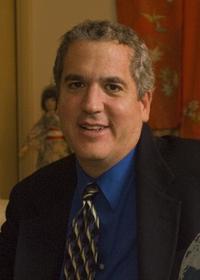
Ben Miller live tweeting at the 2010 CFHA Conference
Figure 1: Ben Miller live tweeting at the 2010 CFHA Conference in Louisville, Ky.
behavioral health integration · behavioral health primary care integration · collaborative care · healthcare integration

Integrated Care Thought Leader Series: Benjamin Druss, MD, MHP

“That’s the next direction that [organizations] need to go, bringing substance abuse back into the discussion. We need to go past just the integration of primary care and mental health care to a more Whole Person Care.”

Benjamin Druss, MD, MHP

It has been my pleasure to talk with Dr. Benjamin Druss for this edition of the Integrated Care Thought Leader Series. Having had the privilege to work with Dr. Druss on various integrated care projects over the past few years, I have come to respect not only his keen insight into what’s needed beyond the horizon for the care of people with behavioral health disorders, but the compassion and dedication he brings. His humility and brilliance are evident upon introduction; he’s a true visionary. Dr. Druss, my mentor and my friend, has provided inspiration to me in my work and outlook on the world of healthcare, integration, and beyond.

Dr. Druss, world-renown researcher in health policy, has made a significant contribution to healthcare and the integration of behavioral health and physical health. He has impacted the lives of many individuals as a result. As the first Rosalynn Carter Chair in Mental Health, Dr. Druss is working to build linkages between mental health, general medical health, and public health. He works closely with Carter Center Mental Health Program, where he is a member of the Mental Health Task Force and Journalism Task Force. He has been a member of two Institute of Medicine Committees, and has served as an expert consultant to government agencies including the Substance Abuse and Mental Health Services Administration, the Centers for Disease Control, and the Assistant Secretary for Planning and Evaluation. He serves as professor at Rollins School of Health Policy and Management at Emory University.

Dr. Druss’s research focuses on improving physical health and healthcare among persons with serious mental disorders. He has published more than 100 peer‐reviewed articles on this and related topics, including the first randomized trial of an intervention to improve medical care in this population in 2001. His research is funded by grants from the National Institute of Mental Health and the Agency for Healthcare Quality and Research, and he serves as a standing member of an NIMH study section. He has received a number of national awards for his work.

Dr. Druss, Dr. Silke von Esenwein, and their colleagues at Emory University are currently conducting an exciting NIMH research trial, The Health Outcomes Management and Evaluation (HOME) Study. As described on the website clinicaltrials.gov: There is an urgent need to develop practical, sustainable approaches to improving medical care for persons treated in community mental health settings, this study will test a novel approach for improving mental health consumers based on a partnership model between a Community Mental Health Center and a Community Health Center. When this study is completed, it will provide a model for a medical home for persons with severe mental illness that is clinically robust, and organizationally and financially sustainable.

Dr. Druss received his bachelor’s degree from Swarthmore College in 1985, earned his medical degree from New York University in 1989 and later his master’s in public health from Yale University in 1995.He is also board certified in psychiatry. He trained as a resident in general internal medicine at Rhode Island Hospital and in psychiatry at Yale University School of Medicine. Click here for more information about Dr. Benjamin Druss

Advancement in integrated care through the years

Dr. Druss was one of the first to address the physical health concerns among people with serious mental illness and substance use disorders, particularly among the public sector populations in urban regions. During our discussion on integrated care, he addressed areas of change over the past 18 years that has had the greatest impact on the advancement of healthcare for people with serious mental illness. He described the world of Health Information Technology as a frontier that, over the past 10 years, has resulted in changing policies and procedures in healthcare. These changes have had significant impact on the ability for healthcare organizations to share information, resulting in improved care for patients.

Dr. Druss advises that the next stage needed for healthcare is to begin “broadly looking at other social determinants of health.” The focus should be on an approach to healthcare that is person-centered. The concept of addressing population health and creating a system of care will be a more effective approach to improving health outcomes moving forward. He recommends that substance abuse must be brought back into the discussion, and to go past just the concept of integration of physical health and mental health, toward a more “whole person care” approach.

What do you foresee for the field as we move forward?

Dr. Druss:  Clearly there’s going to be major changes in how care is delivered. I think there’s a lot of opportunity moving forward with new public sector models, Medicaid, patients with medical homes, and also the promise of new technologies moving forward as well.

I’m very optimistic; I think things will certainly be very different five years from now. We’re in a period where things are evolving very quickly and we don’t know exactly what the world will look like, but I think we can say that things will look different—and that things will look better.

Research has to change as well. I’m mostly a researcher and lot of what we’ve been doing is slow-paced. The slow-paced process by which we develop a model, and then test it over a five year period. You apply for a grant and then you test it for five years, then it’s another two years before it’s published. So we’re going to have to be looking for more ways for understanding data and evaluating programs. I think the new technologies will help, their more wide-spread availability will help. Just as the health system needs to change—and is changing—health research is going to need to change as well.

The funding agencies still are gradually coming to that point. NIMH has a new program that they are looking to fund that looks at natural experiments out in the community. So I think that’s the sort of research that we’re going to need to see more of in the coming years—good, careful, thoughtful evaluations of some of the demonstration projects going on out in the community.

What barriers to integration to you currently see?

Dr. Druss:  I’d say that a lot of community mental health centers are still on this part of the learning curve in terms of learning about integration, such as how potential partner organizations work, [such as] Federally Qualified Health Centers. [CMHC’s] often lack information technology infrastructure that makes it easier to do the work. There are some places, some community clinics, and other organizations that are out in front on these issues, that are early adopters, and there’s some that are trying to figure it out and hopefully will learn from the experience of those organizations that are further ahead.

Thank you, Dr. Druss, for your dedication to improving the health and quality of life of so many who live with serious behavioral health conditions.

Be sure to check back soon for our next Thought Leader, Larry Fricks, pioneer in the Peer Support movement.

A sampling of Dr. Druss’s cutting-edge research and other publications are listed below:

The Health Recovery Peer (HARP) Program: A Peer-Led Intervention to Improve Medical Self-Management for Persons with Serious Mental Illness
Benjamin G. Druss, Liping Zhao, Silke A. von Esenwein, Larry Fricks, Sherry Jenkins-Tucker, E. Sterling, R. Diclemente, K. Lorig

Behavioral Health Homes for People with Mental Health & Substance Use Conditions: Core Clinical Features
Laurie Alexander, PhD, Alexander Behavioral Healthcare Consulting, and Benjamin Druss, MD, MPH, Rollins School of Public Health, Emory University authored this document for the SAMHSA-HRSA Center For Integrated Health Solutions

A Randomized Trial of Medical Care Management for Community Mental Health Settings: The Primary Care Access, Referral, and Evalution (PCARE) Study
Benjamin G. Druss, M.D., M.P.H.. Silke A. von Esenwein, Ph.D. Michael T. Compton, M.D.,. M.P.H.. Kimberly J. Rask, M.D., Ph.D. Liping Zhao, M.S.P.H.. Ruth M. Parker, MD

Budget Impact and Sustainability of Medical Care Management for Persons With Serious Mental Illnesses
Benjamin G. Druss, M.D., M.P.H., Silke A. von Esenwein, Ph.D., Michael T. Compton, M.D., M.P.H., Liping Zhao, M.S.P.H., Douglas L. Leslie, Ph.D

Understanding excess mortality in persons with mental illness: 17-year follow up of a nationally representative US survey
Druss BG, Zhao L, Von Esenwein S, Morrato EH, Marcus SC.

Mental Disorders and Medical Comorbidity
Goodall S, Druss BG, and Walker ER

Understanding Disability in Mental and General Medical Conditions 2000
Druss BG, Marcus SC, Rosenheck RA, Olfson M, Tanielian T, Pincus, HA

Integrated Medical Care for Patients With Serious Psychiatric Illness 2001
Druss BG, Rohrbaugh RM, Levinson CM, Rosenheck RA

Mind and Body Reunited: Improving Care at the Behavioral and Primary Healthcare Interface publication 2007
Mauer BJ and Druss BG

Mental disorders and medical comorbidity publication 2011
Druss, BG and Walker ER

Research Projects:

Co-Principal Investigator, Robert Wood Johnson Foundation; Funding Period 9/1/96-1/31/98
“Chronic Illness, Disability, and Managed Care”

Principal Investigator, National Association for Research in Schizophrenia and Affective Disorders (NARSAD); Funding period July 1, 1996 – June 30, 1998
“Work and Health Care Costs associated with Depression Compared with Chronic General Medical Illnesses”

Principal Investigator, Donaghue Medical Research Foundation; Funding period July 1, 1996-Decmeber 31, 1999
“Costs of Depression for an Employed Population”

Principal Investigator, NARSAD; Funding Period July 1999-June 2001
“Treatment of Depression and Medical Illness Under Managed Care: Understanding the Differences”

Principal Investigator, NIMH K08 Mentored Clinical Scientist Award; Funding Period January 1999-December 2004
“Impact of Depressive Disorders in Health and Work Settings”

Principal Investigator, Robert Wood Johnson Foundation; Funding Period October 1, 2004-September 30, 2006
“Evidence-Based Management of Depression in Public-Sector Primary Care”

Principal Investigator: R34MH78583; Funding Period September 1, 2006-August 1, 2010
“Adapting a Medical Self-Management Program for a Community Mental Health Center”

Principal Investigator: K24MH075867; Funding period July 2006-June 2011
“Mending the Safety Net: Improving Linkages between CHCs and CMHCs”

Principal Investigator, AHRQ R18; Funding Period September 2008-September 2012
“An Electronic Personal Health Record for Mental Health Consumers”

Principal Investigator R21HS017649; Funding Period August 1st 2008-April 2010
“Mental Comorbidity and Chronic Illness in the National Medicaid System”

Principal Investigator, NIMH R01; Funding period August 2004-April 2014
“Improving Primary Care for Patients with Mental Disorders”

Principal Investigator NIMH MH090584-01A1; Funding Period 06/15/2011- 03/31/16
“A peer-led, medical disease self-management program for mental health consumers”

behavioral health integration · behavioral health primary care integration · collaborative care · primary care behavioral health integration

Integrated Care Thought Leader Series: Alexander “Sandy” Blount, EdD

“It’s very hard to do integrated care and still think of mental health and physical health.”

Welcome to the first in the Integrated Care Thought Leader Series. This series will focus on the forward-thinking individuals who have had the foresight to envision possibilities in the healthcare industry’s future. I’m pleased to begin the series with a man who has been instrumental in advancing integrated healthcare.

Alexander Blount, EdD

Alexander Blount, EdD, better known to most as “Sandy,” has played a very important role in bringing the integration of behavioral health and primary healthcare to its current prominent focus within the healthcare industry. Dr. Blount is credited with coining the term integrated primary care in his 1994 publication, “Toward a System of Integrated Primary Care,” Blount A, Bayona J. Family Systems Medicine, 1994;12:171-182.

He currently serves as Professor of Clinical Family Medicine and Psychiatry at the University of Massachusetts Medical School in Worcester, MA and Director of Behavioral Science in the Department of Family Medicine and Community Health.  He teaches resident physicians the psychosocial skills of primary care practice and founded the post-doctoral Fellowship in Clinical Health Psychology in Primary Care.  He was previously Director of the Family Center of the Berkshires in Pittsfield, MA and a faculty member at the Ackerman Institute for the Family in New York. He has more than thirty-seven years experience as a therapist, teacher of physicians and therapists, administrator and lecturer in the US and abroad.  He is a member of the National Integration Academy Council and has had a leadership role in state and national efforts developing healthcare policy.  His books include Integrated Primary Care: The Future of Medical and Mental Health Collaboration published by W. W. Norton and Knowledge Acquisition, written with James Brule’, published by McGraw-Hill.  Click here for more information about Dr. Blount.

It’s an honor to talk with Dr. Blount about the integration of behavioral health and primary care. Yes, he admits that he is optimistic about the direction in which the field is moving! His enthusiasm is almost palpable, with a freshness that belies the number of years he has devoted to the advancement of this revolutionary approach to healthcare. It’s apparent that this enthusiasm easily holds the attention of the students he teaches at UMASS.

Dr. Blount is a visionary whose diligent efforts and perseverance have made great strides toward bringing attention to the widespread failure to address the individual patient as a whole. He graciously agreed to provide insights for Behavioral Health Integration Blog:

What do you see as being the greatest barriers for successful integration of behavioral health and primary care services?

Dr. BlountI see two things:

First are the barriers that have always been there: regulatory barriers that are built on the idea that mental health and medical services have to be kept separate, financial barriers that only pay fee for service and define services as what is delivered in specialty mental health, and cultural barriers on the part of both medical and mental health people that make working together difficult without some cultural broker who can make the connections and translations necessary.  These have been our problems historically, and happily with the ACA and the PCMH movement, these are reducing.

The second area is the barriers caused by our own success.  Because integrated care is becoming more possible and is proving itself, there is pressure to start programs in settings where there is little understanding of what it entails and little time and resources to prepare for the change.  People are getting put into integrated programs or co-located, who aren’t trained for it and didn’t pick it. They don’t know what to do. They go in and do specialty mental health. They do what they’ve been trained to do…and it doesn’t work. Then administrators, who may have been skeptical initially, thought this was a fad, see this failure and think “oh yeah, I was right,” it was more inconvenient than useful. We felt we had to develop a training program at UMass Medical School available to these folks to prevent just this form of failure.

Also because there is sometimes a faddishness about integration, you get some administrators who become “true believers” who really don’t know how to do this. They see a presentation,  and they say this is what we are going to do–and they start it without any depth of understanding. It’s sort of the administrative version of the clinician that doesn’t work. We need clinicians who are fully oriented to integrated primary care and leaders who are aware of the difficulties of making these changes and who can develop the buy-in from the whole practice. Integrated pilot programs are often funded on three year cycles.  Places like the DIAMOND Project in Minnesota, where they’ve had some real time to make it work, say that it’s more like a five year cycle from beginning to fully transformed practice.  I fear that federal and private funders will think it will happen faster than it does and will turn away.

Another barrier to our success is the workforce crisis we are facing.  All of the government projections of what will be needed for behavioral health workforce, when compared to the number of people who are being trained, say we will have a terrible deficit, and those projections were made without any calculation of the workforce that has proved to be needed in mature integrated settings.  When word gets out that we will need a four-fold increase over 2010 levels in behavioral health clinicians in Federally Qualified Health Centers alone, not to mention the rest of the health system, the true magnitude of the problem will become clearer.

What excites you about the field today?

Dr. Blount: One, is absolutely the transition in payment models that may make a great leap forward happen. Essentially those models let us implement the clinical routines of integrated care. Up to now the payment models have dictated routines that weren’t very integrated.  Paying for health, rather than for services allows us to deliver evidence based care by the clinician best able to do it at the point that it is most sensible and acceptable to the patient.   Having it actually knitted into the flow of care makes a big difference.

And the other thing that I see happening is a transformation in how we conceptualize mind and body, illness and health.   It’s very hard to do integrated care and still think of “mental health” and “physical health”. The categories just begin to break down because they don’t describe the way people present. They don’t describe how problems form over the years. We’ve had science now for a good while on the plasticity of brain and the way that experience changes the brain and the brain changes experience. The current science even describes the way that experience changes what genes are expressed at various points in a person’s development.  In other words, the science of the brain has been there but the way of thinking in our day-to-day clinical lives has not because we have been enacting models build on conceptions of separate domains.  As we enact integrated clinical routines, we will begin to think differently.  We create the likelihood that the science of the brain will be mirrored in the unity of our conceptions about people and how we try to help them.

So I think, at least in the places that are more developed, the places that integrated care gets to be mature, you begin to see different forms of conceptualization and hopefully we’ll be documenting those, writing about those, helping to pull others along. There aren’t many places where integrated care is really mature. The places that are mature are very different in numerous ways that don’t initially seem to be connected to integration. The question of “isn’t integration interesting, how do we work on it?” just goes away and the questions are about new ways of helping patients, new groups of patients we can understand better, and new ways of involving patients on their care teams.  How we involve people in their own care, how we get past the doctor as leader and authority to doctor and the team as teachers and facilitators, that’s really the next piece. And when that is going well, I think that integrated care will sort of already be there.

Will you look into your crystal ball for us and tell us what you foresee in the future for integration?

Dr. BlountLet’s imagine that we get it right in terms of mature programming, mature routines of integration as far as our workforce allows.  Then we begin to be able to think about health and illness differently, and the whole set of concepts, the models that we have of understanding health and illness and how to influence those begin to move. I foresee the time when there’s a foundation of mature integrated care that we will be looking at great leaps forward in theory or great research leaps forward with greater understanding of what and how we should be researching. That’s one optimistic thing.

And when I look in my crystal ball I think we are going to have states that begin to have whole-state programs that are starting to be implemented and organized so that we can begin to look at the impact of integration on a really big scale.

Thanks so much to Dr. Blount for sharing his insights in the premiere of the Integrated Care Thought Leader series!

Check back soon for a conversation on integrated care with Benjamin Druss, MD, MPH, Rosalynn Carter Mental Health Chair and Department of Health Policy and Management Professor at Emory University.

collaborative care

CFHA Blog: Collaborative Care Is An Evidence Based Treatment Model For Depression And Anxiety

Collaborative Care Is An Evidence Based Treatment Model For Depression And Anxiety

Posted By Pamela Williams in CFHA* Blog

As readers of this blog are well aware, depression and anxiety “are a major cause of disease burden and disability with depression projected to become one of the three leading causes of burden of disease by 2030.” It is estimated that 90% of people who suffer from depression and anxiety are treated solely by their primary care physician, and the majority of these interventions are exclusively pharmacological. Many people also report being unsatisfied with the level of care they receive. While these facts point toward collaborative care being a logical and effective treatment model for depression and anxiety, there was not enough research that provided conclusive evidence to support recommending collaborative care for those with depression and anxiety problems until this year.

Click here to read the complete story on the CFHA Blog

*Collaborative Family Healthcare Association (CFHA) promotes a comprehensive and cost-effective model of healthcare delivery that integrates mind and body, individual and family, patients, providers and communities. CFHA achieves this mission through education, training, partnering, consultation, research and advocacy. 

behavioral health integration · behavioral health primary care integration · collaborative care

Mental Illness Awareness Week: Raising Awareness of the Need for Integrating Behavioral Health and Primary Care Services

Mental Illness Awareness Week, October 7 – 13, 2012

In the US the first week of October has been recognized as Mental Illness Awareness Week since 1990 when it was established by Congress in recognition of the National Alliance for Mental Illness’s efforts to increase public awareness about mental illness. Mental Illness Awareness Week also coincides with similar organizational campaigns:

There is no doubt that this campaign has been a successful one, raising awareness, encouraging people to screen for depression, and chipping away at the negativity surrounding mental illness. This theme is aligned with the philosophy of behavioral health integration. Therefore, perhaps a day can be designated for recognizing the importance of integrating behavioral health and primary care services. When physical health and behavioral health are addressed concurrently, people have better health outcomes and are better satisfied with their healthcare services. Integrated healthcare also offers improved access to services and reduces healthcare costs.

Integration has been referred to as the neck; a means of reconnecting the mind and body. In integrated healthcare, the mind and body are addressed as a whole, rather than compartmentalized. There is a focus on prevention and wellness that promotes improved health outcomes. Across the United States and around the world, behavioral health and primary care providers are transitioning service delivery to a more collaborative approach. The United States Department of Health and Human ServicesSubstance Abuse and Mental Health Services Administration has invested in nearly 100 initiatives in their Primary and Behavioral Healthcare Integration grants. This commitment demonstrates the importance placed on integrated healthcare by the United States.

Perhaps we can designate each Friday of Mental Illness Awareness Week as National Behavioral Health and Primary Care Integration Awareness Day.

What do you think?

behavioral health integration · behavioral health primary care integration · collaborative care · healthcare integration · primary care behavioral health integration

The Partnership: Choosing the Right Model for Your Integrated Healthcare Services

Determining the Model

How do partnering Community Behavioral Health Centers (CBHC) and  Community Health Centers (CHC) determine the ideal model for their foray into integration? There are many factors to consider such as:

  • What are the needs of the individuals served by the partnering organizations?
  • What are the needs of the community?
  • What resources do the organizations bring to the partnership?

Now that the partners have a solid foundation and clear vision for their collaboration, it is time for the careful planning that is necessary to make it a reality.  There are effective tools available to assist organizations in working through this very important process. (Please note that these suggestions and resources are not limited to community providers.) 

The MH/Primary Care Integration Options scale  is available on the SAMHSA-HRSA Center for Integrated Health Solution website. This is very helpful for leading the discussion among the members of the implementation team. The scale assists the partners not only in determining the current reality but also mutually deciding on the desired level of integration: Minimal Collaboration, Basic Collaboration from a Distance, Basic Collaboration On-Site, Close Collaboration/Partly Integrated, and Fully Integrated/Merged in each of these key functional areas:

  1. Access: How do individuals access services?
  2. Services: Are the services separate and distinct or are the primary care and behavioral health services seamless? Or perhaps somewhere in between.
  3. Funding: Do the partners share resources or are they separate?
  4. Governance: Are there separate boards of directors for each organization?
  5. Evidence-based Practices: Do the organizations administer the PHQ-9 or disease registries, for example, and share the results?
  6. Data: Do the partners share information? Do the providers have access to the partner’s EHR?

This assessment process is most effective when stakeholders from each organization are included. Ideally, representatives are included from clinical, management, and administrative departments, as well as a few individuals who use the services. It’s very helpful to have frontline staff and board members to take part as well.  Call center and reception staff offer a unique perspective that leadership frequently finds enlightening.

Other useful tools available include the National Council’s Success in the New Healthcare Ecosystem: Mental Health & Substance Use Provider Readiness Assessment prepared by Dale Jarvis.   This allows provider organization management teams to assess their organization’s readiness for engaging in the changing healthcare system.

Another tool to consider is the COMPASS-PH/BH  created by Zia Partners.  This self-assessment tool is used for primary care/behavioral health integration for implementation of a Comprehensive Continuous Integrated System of Care.

Making the Vision into a Reality

Once the ideal model of integration has been determined, the journey begins to make it a reality. Be sure to stop by for the next installment in the series.

What tools or methods have you found to be helpful when selecting a model for your healthcare integration endeavor?

I would love to hear from you! Please email your suggestions to me at behavioralhealthintegration@gmail.com for inclusion in a future post.


behavioral health integration · behavioral health primary care integration · collaborative care · healthcare integration · primary care behavioral health integration

UPDATE: The Greatest Challenges for Integrating Behavioral Health and Primary Care Services

The recent poll conducted via the LinkedIn group, Behavioral Health Integration, continued to generate thought-provoking comments following the last post. (Click here to see the initial results.) Thought-leaders, behavioral health, and primary care professionals have offered their perspectives on the pressing question:

WHAT IS THE GREATEST CHALLENGE FOR INTEGRATING BEHAVIORAL HEALTH AND PRIMARY CARE SERVICES?* 

Mark L:  Community health records (CHR) that follows the patient and not the provider or payer source will create the sustainability –finance and billing that aid Partnerships to create better operations/workflow that in turn solve workforce issues.
I think the solution for integration of health care is an IT solution that allows for communication not in any “one” silo but in a cloud, it is the premise of the question about integration that it will be in a silo that leads to obsolescence or a least does not address systemic issues of communion about the actual needs of the patient first.

  1. Providers at all levels of care need to exchange information both horizontally and vertically, such as a transfer of care to another provider at a higher or lower level of care. Also community integration of available resources for discharges from one provider to the next or transitions to the public systems from private system or vice versa.
  2. The public and private sectors need to work together to “speak the same IT Language” the health record should follow the person in any system.
  3. Acute care and mental health care systems need the same ability to communicate, whether or not you call the person a client or patient. Mental health and acute care providers can then communicate and bill on a “continuity of care” coordinating treatment for a patient as a team and not in silos.
    The export of data from one CHR to the next is where standardization needs to be the focus. I am excited to see future of blending of Regional Health Information Organizations (RHIOs), Health Information Exchange (HIE). RHIOs and HIE are changing the discussion from silos to clouds.

Leslie B: This may be one of my favorite topics. Yes, I agree that IT can play a part of it, but that is not the only part of the system that needs to change. Like one of the members of discussion, the providers and their ability to talk to each other is one. Program Development requires system and staff changes, changes in thinking, and the ability to assess each site. Each Primary care setting has its own challenges, so one can say provider insight at one location and Behavioral Health provider readiness at another location and yet another location might have the inability to see each other’s records or there may be a staffing problem. I think the biggest challenge can be who is going to pay for it, once everybody in the system figures out what it is anyway. It may require more behavioral health providers and more medical providers. Will there really be a return on that investment. The patient would probably get more holistic care, but it isn’t going to cost any less money.

Bob H:  I believe that one of the greatest challenges is that we need to stop talking about behavioral health and primary care and begin focusing on the needs of the individuals receiving our services and how our systems can best serve their needs. We need to include clear measures of ‘behavioral economics’ and understand that we all act and react to rewards and benefits. We need to structure our systems and our interventions to incentivize overall health improvements, whether behavioral or medical.
We will only have truely intregrated care when we are patient centered and stop distinguishing between behavioral health and primary care. That does not mean that we will not have specialists; whether they be psychiatric, medical, communication, design, or information and technology. It is all about the focus on the patient’s needs and building workflows to address those needs appropriately to assist them in reaching productive and effective outcomes as a result of our services and interventions.

Nelson B: In short, the greatest challenge of healthcare integration is getting paid for effective services. Coleman Professional Services will look at the best outcome of our customer; their health, their ability to have stable living conditions, volunteering or employed and their ability to appropriate socialize in their community. Let’s look at the outcome for our customer and get paid for this outcome.

Michael J: Reading this thread shows that there is a great deal of thought being put into this topic. I think that some of this boils down to a chicken and an egg. And Nelson is right on target about the pay systems. We in our industry have not truly integrated mental healthcare and addictions treatment. Now I know there are pockets of good co-occurring treatment programs here and there, but as an industry they continue to be separate. And the biggest reason is following the money. The money for these services are not braided, and so they stay separate.
I’m currently working on a perinatal mental health integration project. We know what to do clinically (we are using the IMPACT model) and we have OBs who want to participate. We have Medicaid insured women we have identified as needing care. But since the Medicaid is carved-out, the physical health Medicaid plan will not pay for the service as they don’t pay for MH services, and the MH plan won’t pay because they don’t purchase physician services from non-psychiatrists unless they are credentialed as a part of a licensed agency with a MH contract. If the insurance companies and the government wanted to have integrated healthcare, they would have it. If there was a requirement that integrated care was insisted upon for reimbursement we would be all over it. In fact, we do all sorts of odd things now to respond to external requirements that have absolutely nothing to do with the delivery of care. So I have to believe that once the system starts demanding integration it will have it. The system gets what the market commands. The reason there are no solid IT solutions that can incorporate MH and PC is because the market doesn’t demand it. But vendors will respond when that’s required or they will be out of business, just like we would be if the demands were levied upon us and we didn’t respond.

Bob F: This has been a great discussion Cheryl – thanks for posting it. I read the responses from the other groups where you posted this question as well. It seems there isn’t necessarily an individual “biggest” challenge that organizations face versus as much as a varying number or group of issues that organizations face depending on a variety of factors: state environment, organizational structure, readiness to change, internal infrastructure, willing partners, etc. One of the keystones of integrated care is that our patients come to us fully assembled, and our treatment/wellness/prevention response to them has to be, in turn, as fully assembled in order to be effective. And efficient. Clearly the challenge we face in just about every region of the country is that the obstacles are likewise effectively assembled. At Cherokee Health Systems here in TN – even after running an integrated system for over 30 years new challenges surface all the time, chief among them payers who shift priorities from contract to contract, workforce (less primary care docs and psychiatrists all the time), finding time to be innovative in the development of such practices as telehealth, telepsychiatry and telepharmacy, etc. When we do our training academies we focus on all of these issues – administrative, operations, financing, workforce, PC-BH collaborations, model development – because we understand that it is almost never a single obstacle. Anyway – great to follow along and see the efforts being undertaken out there!

David R: New EMR processes are forcing medical case management accountability. Behavioral health case management processes are a generation behind medical and will require a sizable accountability shift for clinical participants.

*The question was also posted in these LinkedIn groups: Behavioral Healthcare Magazine Group, Mental Health Networking, The Friends of SAMHSA.

The poll results demonstrated a shift: with 44 total votes, Partnership has demonstrated a considerable increase, closing the gap on Sustainability.

POLL RESULTS:

Sustainability — finance and billing           38%

Partnership issues                                           31%

Workforce issues                                              7%

HIT issues                                                         5%

Operations/workflow issues                         18%

Without a doubt, each of the five factors is very important for successful integration. The next blog post will take a look at overcoming these challenges.

What do YOU think is the greatest challenge for integrating behavioral health and primary care services? Please send your comments to BehavioralHealthIntegration@gmail.com or visit Behavioral Health Integration

behavioral health integration · behavioral health primary care integration · collaborative care · healthcare integration · primary care behavioral health integration

The Greatest Challenges for Integrating Behavioral Health and Primary Care Services

In a recent poll conducted via the LinkedIn group, Behavioral Health Integration, this question was posted*:

What is the greatest challenge for integrating behavioral health and primary care services? 

POLL RESULTS:

Sustainability — finance and billing           50%

Partnership issues                                          23%

Workforce issues                                             11%

HIT issues                                                          3%

Operations/workflow issues                        11%

The question produced a number of excellent comments that are listed below. Obviously there are differing opinions about the greatest challenge for integration. The most important factor is that the healthcare community is actively thinking about this very important topic! There is no easy solution. However, as long as we continue to move forward we will establish the path to success. It’s a challenge that is worthy of our efforts. We WILL make a difference.

What do YOU think is the greatest challenge for integrating behavioral health and primary care services? Please send your comments to BehavioralHealthIntegration@gmail.com or visit Behavioral Health Integration

Peggy H:  Hmmmm. And possibly beneath it all is the issue that both systems are needing to care for an overwhelming number of people, with increasingly complex needs, in the first place. I have only recently joined, but am eager to learn more about how policy, the priorities it sets and the direction it gives to financing, is shaping critical features of integration efforts.

Joseph B:   In my mind, until the silo mentality for benefit and payment is integrated, there can not be true clinical integration. In settings where integrated payment has been settled (VA, Kaiser, ACOs), all other issues solve themselves.

I believe that carved-in, risk sharing financial models are the solution to integration

Bob F:  I think Dr. B is directly on target. Risk sharing models – capitated systems, shared savings models – can encourage better integration between modalities. Fee for service and carve outs fail to capture the true essence of integration – the vital “almost billable” services like warm handoffs, hallway consults, follow up phone calls, and the treatment team meeting; not to mention the varied allowable services among the states pertaining to same-day billing, discipline/credential requirements, etc. Trying to pound the traditional mental health square peg (with all of its burdensome documentation requirements) into the primary care round hole is not the answer – and just pounding harder with a bigger hammer is definitely not the answer.

Lena Z:  I work for a pediatric health care system in Texas and we have only been able to deliver this type of service under grant funding…which was recently stripped away prematurely by the state of TX.

Bob F:  It’s frustrating, isn’t it Lena? What we’ve found in TN is that it’s all about what you negotiate in your contract; the payers have latitude to “turn on” certain codes, allow for different funding arrangements/systems – but the provider has to be able to have the data and show the outcomes. The payer can also do some cost comparisons of your services versus your neighboring providers/competitors – that is the key. If you can get them to share their data in comparison with yours and can show those savings and improved outcomes – you have better leverage. We also learned that we were never going to be in a position to negotiate until we had a big enough member panel. It’s a battle well worth fighting – and one that is never truly won. Or lost.

Cheryl H:  Each of the issues can and often does create barriers for behavioral health and primary care integration. Sustainability is the area in which most providers tend to focus for obvious reasons: No margin no mission. However, too often concern over sustainability becomes the primary focus, diverting attention from the other issues causing them to be neglected:

  • Partnership issues have brought about the demise of many promising partnerships. For long-term success, behavioral health and primary care partners must address establishing the mission for the partnership; identify a common language; maintaining pacing, flexibility, and capacity; develop shared solutions; determine expectations; delegate trust; create empowerment; and measure outcomes.
  • Workforce issues can create significant barriers to successful integration. Service provision in the integrated environment varies greatly from services provided in traditional behavioral health and primary care organizations. Training programs for current and future workforce is necessary for long-term success.
  • Health information technology issues create significant challenges for healthcare integration. Challenges created when partners have incompatible electronic records and other issues with record sharing inhibit successful integration.
  • Operational issues such as workflow can impact productivity, creating further challenges to sustainability.

With commitment among all stakeholders, successful integration of behavioral health and primary care can be accomplished. The resulting improvement of health outcomes for people with behavioral health disorders makes it worth all the effort.

Cindy M: As I think about this and read all your comments, I’m now thinking that the biggest challenge depends a lot on the people who are facing that challenge. I voted “workforce” because I’ve thusfar been able to find ways to deal with the silos in the back office so that they are transparent — or CAN be, at least — to the clients and possibly even the service delivery staff.

The biggest problems I’ve had are in teaching my fiscal dept. staff to think “integration” on the front line while complying with the silo mandates in the back office. Then there are the issues with some — not all, by any means — clinical and service staff who either are flummoxed a bit by the concepts and practices they have to integrate OR are stuck in “we don’t do that” gear.

The finance structure and silos are what I lose my religion over, but (apart from the unlucky fiscal staff) don’t need to interfere with anyone else. In dealing with THAT, I still find the main determinant to success or frustration being the persons I have to deal with at the governmental offices with whom we’re contracting. Some are very creative in helping create ways to make it work and others just AREN’T. Those ones do not help me find ways to create an “integration effect” without having an actual integration on the finance side. Which, again, is a work force issue.

Long story short: in my experience, integration has been as good as the people in charge of making it happen.

Stephen W: Great question. From an information system perspective, the greatest challenge is finding a software vendor that handles both BH and PC effectively. CCHIT has certification standards that address both BH and Ambulatory Care. These standards are more stringent than MU certification. I would start there and only look at those vendors that are certified in both.

Joseph P:  I see a legacy of “carving out” behavioral health from medical benefits as segregating the two. Now that the value of treating diseases with high levels of psychological cormobidity is well established there will be a need to embed behavioral health with primary care much in the manner demonstrated by bariatric and transplant programs. Behavioral health specialists will need to provide brief cogent consults to PCPs and brief strategic interventions to patients focusing on patient education, compliance and stress/pain management in addition to more traditional psychological care. Insurance reimbursement can target shared risk/rewards for health care homes that provide this multidisciplinary approach.

Bill H:  I don’t see it as a greatest single challenge as much as a multitude of challenges that require coordination, planning and leadership. I generally recommend starting small and building on successes. Once you effectively implement integration in one area, you will create a demand for similar services in other areas. Finding the right location to pilot a program that has a clinical need and a physician champion provides a great place to start an integration program. Would be happy to discuss integration in more detail.

I am currently working on developing a behavioral health model for accountable care organizations. Thoughts on that topic??

Karen M: The largest challenge I had dealing with both was a very direct problem but I do not think their is a simple and straightforward way to handle it. I found when working with Behavioral Health and also co-morbid medical cases I had a lack of communication between providers. This communication was the single item that told me whether a case would be successful or not. The willingness of providers to communicate is paramount to success and I know that isa complicated issue due to the fact physicians
and other professionals do not get paid for consultation but that leads me to believe some changes need to be made.

Joseph P: I am currently director of a multi-facility, multi-state program that offers integrated outpatient medical and behavioral health care to members of a Medicare Advantage program. We provide urgent ED level and ongoing complex care in conjunction with hospitalist service. This allows members a continuum of care that augments that provided by their PCP. PCPs have their HEDIS metrics improved (with higher level of reimbursement), patients receive excellent care that reduces inappropriate ED and hospital admissions and the insurance company reduces unnecessary costs. Behavioral medicine in these advanced care center focus on compliance and psychological factors that affect physical conditions. This type of program is likely to become a model of how care will be provided in the future as the carriers invest more dollars in better integrated healthcare as a wy of controlling inappropriate costs related to inappropriate higher level of care

Jim H:  Possibly not the greatest challenge, but still a significant one is to provide an environment that is safe for patients who may have self-harm or suicidal tendencies. According to studies by the American Psychiatric Association we were averaging 1,500 inpatient suicides per year in 2003 and that number has increased to 1,800 by 2008. That averages just under 5 inpatient suicides per day. The typical med/surg hospital unit provides many opportunities for suicide and access to items that may be used by patients to harm themselves or others.

The American Society for Healthcare Engineering (ASHE) published a monograph last year that addresses this issue titled “Converting Medical/Surgical Units for Safe Use by Psychiatric Patients”. This is available for purchase on their website at http://www.ashe.org.

Also the National Association of Psychiatric Health Systems (NAPHS) publishes the “Design Guide for the Built Environment of Behavioral Health Facilities” that is available free of charge at either their website (www.naphs.org) or mine (www.bhfcllc.com). I am the co-author of both publications and I also offer free 30 minute phone consultations on patient and staff safety in behavioral health facilities.

Jay O:  I’ve built several counseling centers and consulted for a lot of physicians. From my perspective, there are a number of issues that make it difficult, but could be overcome. Therapists in general are used to working in isolation. They typically do not communicate well with physicians and many are frankly afraid to do so. This can be overcome through training therapists how to adapt to a faster paced primary care setting.

I’ve embedded counselors in several primary care offices with some success. Patients feel less stigmatized going to a primary care office. There still needs to be strong referral patterns developed internally. Even with a therapist present, physicians still need to develop the habit of having a referral conversation with their patients and make a referral for an assessment. Alerts could be set up in EHR to remind the physician to do this when they prescribe psychotropic medications.

On the business side, a lot needs to be worked out to integrate with a practice. Medical space is often more expensive than a therapist can afford. The ROI on this space may be very low for the therapist, but high for the physician. If the space is unused, then it can be subleased at a reduced rate, otherwise it would not make financial sense for either party.

In general, therapists are not as good at creating business relationships and resolving operation issues that would need to be worked out to integrate with physician offices. These trends can be overcome with some training and coaching of the counselors.

Denise S:  My position as a Behavioral Health Specialist was created to do just that to work as a link between Behavioral Health and the Medical Case Management Teams.

Bill H:  A resource on the topic is: Understanding the Behavioral Healthcare Crisis: The Promise of Integrated Care and Diagnostic Reform. The book was edited by Cummings and O’ Donohue and published in 2011.

Scott W:  A major challenge is the same challenge that exists in integrating primary health with any specialty area. Healthcare providers are largely oriented to focusing on the problem at hand, and do not necessarily feel able or equipped to take the time to understand the relationship between the various health problems a patient may have, including behavioral health. I believe to successfully integrate a patient’s different healthcare needs, there may need to be a professional (nurse) or paraprofessional (trained technician) who can serve as a care manager. Obviously, adding this expense would need to have some criteria and parameters to be cost effective.

Anyone who has an older family member or friend who has multiple health problems and a variety of medications knows that there can often be medical and/or psychiatric complications from the interactions of those medications. To me, and perhaps using an overly simple definition and context, integration means care management.

Ally L:  The medical field has not experienced peer/family/youth/young adult involvement to the same extent that mental health has. They don’t yet understand the value or that we as peers and family members can understand the complexity of integration. We have made great strides in this area within mental health (always more work to be done) but it feels like we’re starting at square one with medical professionals in the development of statewide integration, Coordinated Care Organizations and Health Homes that is occurring here in Oregon.

The other challenge is the medical model. Mental health has operated under the medical model for many years as far as billing (Medicaid and private insurance); however, there are other elements of the medical model that do not translate well when it comes to practice. For example, the measuring of outcomes. Recovery is more easily measured when we are looking at physical illness or injury. Recovery in mental health and/or addiction is more subjective. The person in recovery determines what recovery looks like for them, not whether the rash is gone or the broken bone has healed. A mental health professional or family member’s definition of recovery for their “patient” or loved one may be very different than for the person working toward their self-defined recovery.

Cindy L:  Reimbursement? I will be graduating in a year with my Psych Nurse Practitioner finding my place will be challenging

*The question was also posted in these groups: Behavioral Healthcare Magazine Group, Mental Health Networking, The Friends of SAMHSA. Several of the comments came from these groups.

behavioral health integration · behavioral health primary care integration · collaborative care · healthcare integration · mental health · primary care behavioral health integration

Integrating Primary Care into the Behavioral Health Clinic

Innovative, forward-thinking behavioral health leaders are quickly moving forward to bring primary care services into their clinics. They are committed to improving the health outcomes of the individuals who receive their services. This blog post focuses on practical how-tos for optimizing service delivery.

PREPARING FOR INTEGRATED SERVICE DELIVERY

When co-locating primary care in a community behavioral health center, take care in planning the physical location of the primary care staff offices and exam rooms. Most behavioral health centers find space to be a premium. Bringing primary care services into the behavioral health clinic begins a flurry of activity of planning. An empty office or an office that is the obvious choice for doubling up employees is the typical starting point in planning. The easy solution is not the ideal solution. In order to prevent problems once the services are established, it is worth the effort to consider the following points:

Start with a Customer Service Perspective

Initial planning must be based on providing the best service for individuals who will be accessing services. This includes consideration of the ideal customer experience will be. Through starting with the end-goal in sight, you can effectively work backward to create the ideal. Providing a pleasant environment with a customer-centric flow that effectively integrates service delivery results in satisfied customers and providers.

Strategic Planning 

Integration of services will not occur unless primary care and behavioral health staff are located so that they can interact regularly. Passing each other in the hall promotes a sense of teamwork and allows for brief hallway consults. Physical distance prevents interaction and reduces the likelihood of true integration. When primary care services are segregated into a separate hallway, wing, or even a different floor, integration of services is hindered to the point of being essentially impossible. This model promotes a siloed model that discourages interaction between providers. A little disruption on the front end will prevent problems in the long run. Take the time to carefully plan the workflow. By relocating a few offices, chances for successful integration of services is maximized. Perhaps you may want to be really daring and have behavioral health and primary care professionals’ desks located in a central office near the exam rooms. Togetherness breeds camaraderie.

Encourage Warm Handoffs

This vote of confidence from one professional to another greatly increases the likelihood of follow through by the client. When the behavioral health and primary care professionals are in close proximity, even the busiest providers are able to take a moment to make this brief but invaluable introduction.

The Value of Flexibility 

Flexibility can be a challenge for behavioral health clinics. As a result, many rely on a rigid method of scheduling that is based on convenience of the clinic rather than the customer. This method has historically been a challenge for clinics and the people who seek services there. No show rates soar while unyielding (or is it naive?) administrators continue to expect people with cognitive impairment to somehow be trained to adhere to rigid methods of receiving services. This is costly for the clinic and frustrating for the client. It is NOT customer-centric.

It behooves community behavioral health clinics to follow the lead of their primary care cousins and opt for more flexible scheduling to meet the demands of the individuals served. This is even more important in an integrated setting that requires greater coordination for meeting the whole health needs of individuals. Open access and same-day scheduling are options.

Engage the Primary Care Staff in Planning the Workflow

Engaging primary care staff in planning workflow not only allows buy-in from everyone, it prevents having to make modifications later on. Workflow in primary care is very different than in the behavioral health setting. Negotiating the flow for integration ensures smooth service delivery and maximizes staff productivity.

Shared Reception is Ideal

One front desk for check in promotes the sense of seamless service delivery. It greatly simplifies the process for clients as well as staff. Having separate locations for checking in is an extra step in the workflow and is not customer-centric.

Plan for Frequent, Regular Case Consultation 

Weekly treatment team meetings that include all behavioral health and primary care providers offers a forum for integrated case discussion to supplement (rather than take the place of) ongoing, daily consultation. This allows providers to discuss difficult cases, building on the expertise of all. It also further promotes the sense of teamwork that is important for integration.

Check back for more practical how-tos for integrated service delivery.

This is by no means an exhaustive list. I encourage readers to send in their ideas of other logistical considerations for successful integration to behavioralhealthintegration@gmail.com to be included in a future post of Behavioral Health Integration.