
behavioral health integration

Integrated Care Thought Leader Series: Dale Klatzker, PhD

The Times, They Are a-Changin’

When Bob Dylan wrote this iconic song, many felt that it captured the spirit of social and political upheaval of the 1960s, much in the same way that we view mental health as “a-changin’.”  And these changes require mental/behavioral health providers to change the manner in which they deliver services.

Reports over the past decade have brought attention to the current mental health crisis:

In addition, over the past few years far too many catastrophic events have brought attention to this mental health crisis, resulting in a public outcry, demanding that changes are made to prevent future tragedies.

But change isn’t easy.

The relatively brief history of community mental health services has been a challenging one. Just a few months ago, as we celebrated the 50th anniversary of President John F. Kennedy’s signing the Community Mental Health Bill into law, the conversations quickly progressed to the subject that is on the minds of virtually all behavioral health providers—and an unusually large number of the general public and policy makers, given the historical lackluster interest in the topic—mental health is in dire need of change.

The economic downturn in the US in 2008 resulted in massive budget cuts in all but a few states. The March 2011 NAMI report, State Mental Health Cuts: A National Crisis, demonstrated the cumulative cut to mental health services in the U.S. during that time was nearly $1.6 billion. Community mental health services plummeted from being barely adequate to the critical point in many states. Safety-net providers were forced to close programs due to the slashed budgets. Many of those affected ended up on the streets or in jail.

The recent announcement on the anniversary of the Sandy Hook tragedy, of the planned infusion of dollars into help repair our broken mental health system, is encouraging. However, the entire mental health system is in dire need of an overhaul. One that looks at the broader healthcare picture and strategically plans for mental health and substance use disorder treatment to be included. A person-centered, whole health approach to treatment is necessary for improving the patient experience of care; improving the health of populations; and reducing the per capita cost of health care: the Triple Aim.

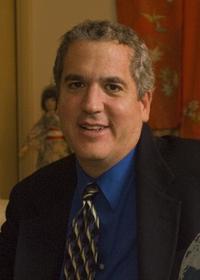
Dale Klatzker, PhD
Dale Klatzker, PhD

Dr. Dale Klatzker knows that, although it isn’t easy, change is vital for community behavioral health providers.

It’s exciting to be able to offer a look at integrated care from the perspective of a provider, particularly a provider who has demonstrated leadership excellence in integrating behavioral health and primary care services. Dr. Klatzker currently serves as the Chief Executive Officer of The Providence Center in Providence, Rhode Island. He has been a leader in behavioral healthcare for more than 35 years. Since becoming president/CEO of The Providence Center in 2004, Dr. Klatzker, a visionary, has transformed the system of care, quality of service delivery, and social policy decision making at The Providence Center and the state of Rhode Island.  Click here for Dr. Dale Klatzker’s bio.

The Providence Center and the Providence Community Health Centers have created a successful partnership to meet the whole-health needs of the people they serve within their community; a need that is clearly outlined in the literature. According to the Robert Wood Foundation’s Mental Disorders and Medical Comorbidity authored by Dr. Benjamin Druss and Elizabeth Walker, comorbidity between medical and mental conditions is the rule rather than the exception:

In 2002, more than half of disabled Medicaid enrollees with psychiatric conditions also had claims for diabetes, cardiovascular disease (CVD), or pulmonary disease, substantially higher than rates of these illnesses among persons without psychiatric conditions. The authors conclude that the high prevalence of psychiatric diagnoses among people with chronic medical conditions should be an impetus for prioritizing the improved integration of behavioral and medical care.

What advice do you have for healthcare leaders?

Dr. Klatzker:  Change is a good thing. Most CMHCs haven’t changed a lot. They haven’t prepared themselves to change a lot and have marginalized themselves and the people that they serve by not being more a part of the mainstream. We have sets of skills that are integral to wellness and to health across a wide spectrum. We need to be proud of what we do, but also to expand it and extend it because this is the perfect time for this. We have a lot of things to offer that others are trying to replicate.

Things don’t stay static. You have to look though the windshield but also through the rear-view mirror. You have to know where you are but you also have to know where you’re going.

As executive director/CEO of a behavioral health organization, you have the obligation to push yourself, and that will push your organization, to do what is necessary so that your mission is reinforced but also to serve the needs of the community. It’s hard to do that if you’re doing the same thing you did 20 years ago. We do our consumers a disservice if we do that.

Person-centered approach to care

Dr. Klatzker: What we’ve embraced here – what’s part of the DNA of the organization at The Providence Center – we  believe in a person-centered approach to care. No two people are exactly the same. The people that we work for deserve as much access to a wide array of both health and social supports as anyone. That’s how you have to guide yourself. When you’re thinking of those things, primary care integration, working much more toward the mainstream of traditional healthcare is imperative for us.(7:14)

What we’ve found is, if you can build those relationships and find the right connections, then others will embrace you and value you for what you bring to the table. In fact, we bring a lot. Partnership is always the first choice, the default.

We don’t chase dollars, we don’t create programs because it’s the idea du jour from some funder somewhere, we consciously look on our mission as our touchstone and build upon that to provide as much choice to the people we serve. We can be very person-centered because there aren’t many gaps in what we’re providing. (They provide a wider array of services than the average CMHC) We’ve consciously built out a wide array because we think it’s the right thing to do. Rather than to take a “no,” if we can’t partner, we build.

Example of a successful integrated care partnership

Dr. Klatzker: The Providence Center is closely connected to one the largest federally qualified health center in the state of Rhode Island, the Providence Community Health Center. We have become the largest community mental health center. Neither had a desire to replicate the services that the other provided. Over the years we’ve built this into a “no wrong door” integrated collaborative effort so that in the mental health center, the FQHC runs a full-service practice with 1100-1200 patients. In the FQHC, we are integrated in their physician practices building and we also have a separate section of their building where we provide longer term care and some other types of specialty care. We’ve integrated our records with each other. We meet frequently to process and to try to figure out how to make our care efficient and effective. We are working closely with them now on adopting our health home model to integrate a modified health home into the FQHC.

Yes, the times they are a-changin’. And so are healthcare providers. (At least the forward-thinking providers like The Providence Center.) They are heeding the findings from the numerous expert reports and research. They are thinking outside the box, adopting a person-centered approach that enables better outcomes for the many who place their trust in them—trusting them to take care of their whole-health needs.


behavioral health integration

Integrated Care Thought-Leader Series: Larry Fricks

“When you look at people holistically and start valuing their mind-body resiliency, I think there is a level of excitement, and better outcomes.”

Larry Fricks
Larry Fricks

September is Recovery Month. This year’s theme is Join the Voices for Recovery: Together on Pathways to Wellness. It is very fitting that Larry Fricks is our featured Integrated Care Thought Leader this month, as he is one of the nation’s greatest leaders in peer-led services, wellness, and recovery. An amazing individual who has devoted his life to helping others, Mr. Fricks was gracious enough to his insights into the importance of whole health wellness and resiliency and the vital role of engaging with people who have the lived-experience to provide support through the process. He offered insight into the role that a whole health approach plays in improving health outcomes and managing wellness. Drawing from his own experiences, Mr. Fricks identified many factors that contribute to a person’s recovery process. Acknowledging that factors such as race, socioeconomic status, and personal support system play a crucial role:
“I don’t think you can underestimate what social determinants do to break somebody down.”

Larry Fricks is Director of the Appalachian Consulting Group and Deputy Director of the SAMHSA-HRSA Center for Integrated Health Solutions. For 13 years he served as Georgia’s Director of the Office of Consumer Relations and Recovery in the Division of Mental Health, Developmental Disabilities and Addictive Diseases. A founder of the Georgia Mental Health Consumer Network and Georgia’s Peer Specialist Training and Certification, he has a journalism degree from the University of Georgia and has won numerous journalism awards. He is a recipient of the American Association for World Health Award and the Lifetime Achievement Voice Award from the Substance Abuse and Mental Health Services Administration for the development and adoption of multiple innovative, community recovery-oriented programs and services. Mr. Fricks’s recovery story and life’s work to support the recovery of others was published by HarperCollins in the New York Time’s best-selling book Strong at the Broken Places by Richard M. Cohen. (Click here for video of Mr. Fricks’s interview on the Today Show.) He is also the creator of the Whole Health Action Management (WHAM) training, a best practice model which strengthens the peer workforce’s role in healthcare delivery.

From Peer Support to Whole Health and Resiliency

I first met Mr. Fricks in 2000 in Rockford, Illinois. He was the keynote speaker at the Consumer Family Forum, addressing a group who receive behavioral health services, their families, and behavioral health professionals from across the state. His passion resonated among the 300+ attendees as he shared his personal recovery story, urging others to believe that recovery is possible. I vividly recall (and have frequently shared with others) a very moving story that he shared about an initiative that has grown to be The Gardens at Saint Elizabeths: A National Memorial of Recovered Dignity, honoring the hundreds of thousands of people who died and were buried in unmarked graves on the grounds of psychiatric hospitals…and were forgotten:

Larry Fricks: Their graves were decimated and desecrated and they have no markers and people didn’t care about maintaining their graves. They walked the Earth and they had a life. Mothers, husbands and wives, children. They had wonderful things happen, and they saw miracles, and they had heartbreak, and you’re just honoring that experience. I just really believe that the Memorial is drawing people that I never expected to draw…very inspiring.

Through the years, Mr. Fricks has traveled from state to state, providing inspiration to so many, sharing his vision, and leading the way to transforming the way behavioral health organizations provide services. He led the national initiative to include peer-led services as a core feature, and is now working with states to embed Peer Support Specialists and Family Peer Specialists in integrated healthcare efforts as well. He currently divides his time between his work with the Appalachian Consulting Group based in Georgia, and his work in Washington, DC, as Deputy Director with the SAMHSA-HRSA Center for Integrated Health Solutions which has included testifying at Congressional Hearings on Mental Health.

Larry Fricks: We now know that things like a social network and service to others are huge health and resiliency factors. People who are in service to others tend to be healthier and they tend to live longer. Also they tend to be more resilient toward relapse or illness. So my life striving to be in service to others to strengthen their health and maybe strengthen their skills in recovery has had the benefit of strengthening my own recovery.

While his earlier work has focused on the role of Peer Support in the recovery process, Mr. Fricks’s work has broadened the focus to include a whole health approach. With startling reports that people with serious behavioral health conditions are dying decades earlier on average than the general population, he led a team at the SAMHSA-HRSA Center for Integrated Health Solutions to create a training called Whole Health Action Management (WHAM) that is designed to address this disparity though self-management supported by peers. Mr. Fricks has great praise for the effort in Georgia to develop Peer Support, Wellness, and Respite Centers that are reducing hospitalizations.

Larry Fricks: Let me tell you about what excites me. Georgia has three of these Peer Support, Wellness, and  Respite Centers and they’re going to open two more. I’m very excited about what’s going on in those centers. Basically, if you feel early warning signs of your illness, or your addiction, you can go to one of these peer respite centers where you have your own bedroom and you can stay up to seven nights, chill out, and you’re surrounded by peers trained holistically to support your wellness. I think it’s really cutting the need for more intense crisis services and hospitalizations. So I had a chance to actually pull a shift in one of them, I answered the warm line and experienced what it was like to provide healing support by simply listening, or maybe just ask a few quetions for deeper reflection like we are trained to do. These peer support wellness centers are returning us to whole health. Removing some of the stigma, giving us a sense of owning our recovery and being proactive, and really engaging peer support to be successful. Georgia is leading the nation. With three we had more than any state, and with five we’ll really be out in front.

What’s next on the horizon?

Larry Fricks: I’m really excited about epigenetics. On April 2 of this year, Time magazine had a cover story on curing cancer, and this whole science on epigenetics basically says DNA does not have the last say. There are mind-body resiliency factors and there’s more and more research on epigenetics. “Epi” means over and the epi is the cell structure over your genome, over the DNA. And what they’re saying here is: Things that you do, like what you eat and managing stress to stay well, it determine which genes switch on and switch off. And so being aware of this thing, if you look at the WHAM training, we include ten health and resiliency factors which we got from Dr. Greg Fricchione who used to run Mrs. Carter’s Mental Health Program [at the Carter Center], and now he’s director of the Benson-Henry Institute for Mind Body Medicine. These prevention doctors are big on something called the Relaxation Response, and so we’re looking at the things you can do to switch on and switch off gene markers; and they can impact the next generation.

And in parting:

I’m aware that there are just people and things that happen in your life that, if you’re open to it, you work on staying connected and having faith, your life can experience great meaning and purpose.
D
r. Martin Luther King, Jr. said “We’re all bound in a mutual destiny and I’m not all I can be until you’re all you can be, and you’re not all you can be until I’m all I can be.” We should be about connection. We should be about cooperation, and there’s a spiritual power to that, and when you’re open to it, positive things just seem to happen. And you’re inspired by it.

Sometimes you want to shake your head and say, “Oh my gosh, why don’t I have more faith?”


behavioral health integration · behavioral health primary care integration · collaborative care · healthcare integration

Integrated Care Thought Leader Series: Benjamin Druss, MD, MHP

“That’s the next direction that [organizations] need to go, bringing substance abuse back into the discussion. We need to go past just the integration of primary care and mental health care to a more Whole Person Care.”

Benjamin Druss, MD, MHP

It has been my pleasure to talk with Dr. Benjamin Druss for this edition of the Integrated Care Thought Leader Series. Having had the privilege to work with Dr. Druss on various integrated care projects over the past few years, I have come to respect not only his keen insight into what’s needed beyond the horizon for the care of people with behavioral health disorders, but the compassion and dedication he brings. His humility and brilliance are evident upon introduction; he’s a true visionary. Dr. Druss, my mentor and my friend, has provided inspiration to me in my work and outlook on the world of healthcare, integration, and beyond.

Dr. Druss, world-renown researcher in health policy, has made a significant contribution to healthcare and the integration of behavioral health and physical health. He has impacted the lives of many individuals as a result. As the first Rosalynn Carter Chair in Mental Health, Dr. Druss is working to build linkages between mental health, general medical health, and public health. He works closely with Carter Center Mental Health Program, where he is a member of the Mental Health Task Force and Journalism Task Force. He has been a member of two Institute of Medicine Committees, and has served as an expert consultant to government agencies including the Substance Abuse and Mental Health Services Administration, the Centers for Disease Control, and the Assistant Secretary for Planning and Evaluation. He serves as professor at Rollins School of Health Policy and Management at Emory University.

Dr. Druss’s research focuses on improving physical health and healthcare among persons with serious mental disorders. He has published more than 100 peer‐reviewed articles on this and related topics, including the first randomized trial of an intervention to improve medical care in this population in 2001. His research is funded by grants from the National Institute of Mental Health and the Agency for Healthcare Quality and Research, and he serves as a standing member of an NIMH study section. He has received a number of national awards for his work.

Dr. Druss, Dr. Silke von Esenwein, and their colleagues at Emory University are currently conducting an exciting NIMH research trial, The Health Outcomes Management and Evaluation (HOME) Study. As described on the website clinicaltrials.gov: There is an urgent need to develop practical, sustainable approaches to improving medical care for persons treated in community mental health settings, this study will test a novel approach for improving mental health consumers based on a partnership model between a Community Mental Health Center and a Community Health Center. When this study is completed, it will provide a model for a medical home for persons with severe mental illness that is clinically robust, and organizationally and financially sustainable.

Dr. Druss received his bachelor’s degree from Swarthmore College in 1985, earned his medical degree from New York University in 1989 and later his master’s in public health from Yale University in 1995.He is also board certified in psychiatry. He trained as a resident in general internal medicine at Rhode Island Hospital and in psychiatry at Yale University School of Medicine. Click here for more information about Dr. Benjamin Druss

Advancement in integrated care through the years

Dr. Druss was one of the first to address the physical health concerns among people with serious mental illness and substance use disorders, particularly among the public sector populations in urban regions. During our discussion on integrated care, he addressed areas of change over the past 18 years that has had the greatest impact on the advancement of healthcare for people with serious mental illness. He described the world of Health Information Technology as a frontier that, over the past 10 years, has resulted in changing policies and procedures in healthcare. These changes have had significant impact on the ability for healthcare organizations to share information, resulting in improved care for patients.

Dr. Druss advises that the next stage needed for healthcare is to begin “broadly looking at other social determinants of health.” The focus should be on an approach to healthcare that is person-centered. The concept of addressing population health and creating a system of care will be a more effective approach to improving health outcomes moving forward. He recommends that substance abuse must be brought back into the discussion, and to go past just the concept of integration of physical health and mental health, toward a more “whole person care” approach.

What do you foresee for the field as we move forward?

Dr. Druss:  Clearly there’s going to be major changes in how care is delivered. I think there’s a lot of opportunity moving forward with new public sector models, Medicaid, patients with medical homes, and also the promise of new technologies moving forward as well.

I’m very optimistic; I think things will certainly be very different five years from now. We’re in a period where things are evolving very quickly and we don’t know exactly what the world will look like, but I think we can say that things will look different—and that things will look better.

Research has to change as well. I’m mostly a researcher and lot of what we’ve been doing is slow-paced. The slow-paced process by which we develop a model, and then test it over a five year period. You apply for a grant and then you test it for five years, then it’s another two years before it’s published. So we’re going to have to be looking for more ways for understanding data and evaluating programs. I think the new technologies will help, their more wide-spread availability will help. Just as the health system needs to change—and is changing—health research is going to need to change as well.

The funding agencies still are gradually coming to that point. NIMH has a new program that they are looking to fund that looks at natural experiments out in the community. So I think that’s the sort of research that we’re going to need to see more of in the coming years—good, careful, thoughtful evaluations of some of the demonstration projects going on out in the community.

What barriers to integration to you currently see?

Dr. Druss:  I’d say that a lot of community mental health centers are still on this part of the learning curve in terms of learning about integration, such as how potential partner organizations work, [such as] Federally Qualified Health Centers. [CMHC’s] often lack information technology infrastructure that makes it easier to do the work. There are some places, some community clinics, and other organizations that are out in front on these issues, that are early adopters, and there’s some that are trying to figure it out and hopefully will learn from the experience of those organizations that are further ahead.

Thank you, Dr. Druss, for your dedication to improving the health and quality of life of so many who live with serious behavioral health conditions.

Be sure to check back soon for our next Thought Leader, Larry Fricks, pioneer in the Peer Support movement.

A sampling of Dr. Druss’s cutting-edge research and other publications are listed below:

The Health Recovery Peer (HARP) Program: A Peer-Led Intervention to Improve Medical Self-Management for Persons with Serious Mental Illness
Benjamin G. Druss, Liping Zhao, Silke A. von Esenwein, Larry Fricks, Sherry Jenkins-Tucker, E. Sterling, R. Diclemente, K. Lorig

Behavioral Health Homes for People with Mental Health & Substance Use Conditions: Core Clinical Features
Laurie Alexander, PhD, Alexander Behavioral Healthcare Consulting, and Benjamin Druss, MD, MPH, Rollins School of Public Health, Emory University authored this document for the SAMHSA-HRSA Center For Integrated Health Solutions

A Randomized Trial of Medical Care Management for Community Mental Health Settings: The Primary Care Access, Referral, and Evalution (PCARE) Study
Benjamin G. Druss, M.D., M.P.H.. Silke A. von Esenwein, Ph.D. Michael T. Compton, M.D.,. M.P.H.. Kimberly J. Rask, M.D., Ph.D. Liping Zhao, M.S.P.H.. Ruth M. Parker, MD

Budget Impact and Sustainability of Medical Care Management for Persons With Serious Mental Illnesses
Benjamin G. Druss, M.D., M.P.H., Silke A. von Esenwein, Ph.D., Michael T. Compton, M.D., M.P.H., Liping Zhao, M.S.P.H., Douglas L. Leslie, Ph.D

Understanding excess mortality in persons with mental illness: 17-year follow up of a nationally representative US survey
Druss BG, Zhao L, Von Esenwein S, Morrato EH, Marcus SC.

Mental Disorders and Medical Comorbidity
Goodall S, Druss BG, and Walker ER

Understanding Disability in Mental and General Medical Conditions 2000
Druss BG, Marcus SC, Rosenheck RA, Olfson M, Tanielian T, Pincus, HA

Integrated Medical Care for Patients With Serious Psychiatric Illness 2001
Druss BG, Rohrbaugh RM, Levinson CM, Rosenheck RA

Mind and Body Reunited: Improving Care at the Behavioral and Primary Healthcare Interface publication 2007
Mauer BJ and Druss BG

Mental disorders and medical comorbidity publication 2011
Druss, BG and Walker ER

Research Projects:

Co-Principal Investigator, Robert Wood Johnson Foundation; Funding Period 9/1/96-1/31/98
“Chronic Illness, Disability, and Managed Care”

Principal Investigator, National Association for Research in Schizophrenia and Affective Disorders (NARSAD); Funding period July 1, 1996 – June 30, 1998
“Work and Health Care Costs associated with Depression Compared with Chronic General Medical Illnesses”

Principal Investigator, Donaghue Medical Research Foundation; Funding period July 1, 1996-Decmeber 31, 1999
“Costs of Depression for an Employed Population”

Principal Investigator, NARSAD; Funding Period July 1999-June 2001
“Treatment of Depression and Medical Illness Under Managed Care: Understanding the Differences”

Principal Investigator, NIMH K08 Mentored Clinical Scientist Award; Funding Period January 1999-December 2004
“Impact of Depressive Disorders in Health and Work Settings”

Principal Investigator, Robert Wood Johnson Foundation; Funding Period October 1, 2004-September 30, 2006
“Evidence-Based Management of Depression in Public-Sector Primary Care”

Principal Investigator: R34MH78583; Funding Period September 1, 2006-August 1, 2010
“Adapting a Medical Self-Management Program for a Community Mental Health Center”

Principal Investigator: K24MH075867; Funding period July 2006-June 2011
“Mending the Safety Net: Improving Linkages between CHCs and CMHCs”

Principal Investigator, AHRQ R18; Funding Period September 2008-September 2012
“An Electronic Personal Health Record for Mental Health Consumers”

Principal Investigator R21HS017649; Funding Period August 1st 2008-April 2010
“Mental Comorbidity and Chronic Illness in the National Medicaid System”

Principal Investigator, NIMH R01; Funding period August 2004-April 2014
“Improving Primary Care for Patients with Mental Disorders”

Principal Investigator NIMH MH090584-01A1; Funding Period 06/15/2011- 03/31/16
“A peer-led, medical disease self-management program for mental health consumers”

behavioral health integration · behavioral health primary care integration · healthcare integration

Integration of Behavioral Health and Primary Care: Preparing for Service Delivery

When your behavioral health and primary care integration partnership has worked through the preliminary groundwork for integrating services (click here for more information on planning), it’s time for preparing for the delivery of the services. The detailed outline created in earlier steps becomes your business plan. The plan serves as a map of the partnership’s goals and provides direction for delivering services.

Formalizing the partnership

When two organizations are collaborating for providing integrated services, it’s important to understand the legal and regulatory requirements. Working through this process should include consultation with an attorney. The following resources provide additional information for consideration:

Service Delivery

Once the legalities have been addressed, including the signing of a Memorandum of Understanding, Business Associates Agreement, etc., it’s (finally!) time to establish a start date and prepare for the delivery of the much needed services. The preliminary work, though tedious at times, was necessary to ensure the success of service delivery.

Careful planning is the hallmark of successful healthcare integration!

Through the careful planning of the behavioral health and primary care providers, they are ready to offer services in a more holistic manner. With co-morbid behavioral and physical health conditions more often the rule rather than the exception, the newly integrated services enable the team to provide much more comprehensive care coordination in this behavioral health and primary care marriage than either partner could have done independently. The whole is greater than the sum of its parts!

Celebrating Success

Once the equipment and supplies are in place, staff training is completed, and the start date has been announced to internal and external referral sources, it’s time to celebrate!

Celebrating important milestones is very important for ongoing success. It is an opportunity to strengthen relations among the healthcare integration team. Also, celebrating milestones is a valuable opportunity for leaders to re-energize their employees around the partnership’s Strategic Objectives by thanking the people who helped make the achievements happen.

Though things won’t always be harmonious, the partnership can persevere the difficult times through establishing a strong core to build upon. As discussed in The Partnership: Creating a Solid Foundation for Successful Healthcare Integration: “A partnership that has the solid and flexible foundation that is necessary for a lasting partnership” will weather the inevitable storms ahead.

If we are together nothing is impossible. If we are divided all will fail.
–Winston Churchill

behavioral health integration · healthcare integration · primary care behavioral health integration

Healthcare Integration Partnerships: Understanding Specialty Behavioral Health

The integration of behavioral health and primary care services allows for a holistic approach for the treatment of people with serious behavioral health disorders. As the disparate healthcare providers join together to provide treatment, the obvious differences between them must be addressed for success.

There are misconceptions that behavioral health providers want to address with their primary care partners for maximizing their integration efforts.

Understanding the Community Behavioral Health Core Mission

Community Behavioral Health Centers (CBHCs) are specialty behavioral healthcare providers and serve a vital role in the healthcare industry.  The community behavioral health system provides treatment for individuals who have serious mental illnesses, substance use disorders, co-occurring SMI/SUD, and children and adolescents with serious emotional disturbances. These organizations are not a repository for the worried well. Their role is to address complex disorders that are generally beyond the scope of practice of primary care providers. In addition to providing psychiatric oversight, they also possess an expertise in rehabilitation and recovery that is not available in primary care. These services include psychosocial rehabilitation, peer support, case management, supported employment, and supportive housing. Treatment is provided through a team approach that begins with a thorough biopsychosocial assessment to identify life stressors, level of functioning, and clinical symptomology. Services are directed by the psychiatrist or psychiatric-extender who serves as prescriber.  Counseling, rehabilitation, recovery, and support services are carried out by other members of the team.  CBHCs can work collaboratively with CHCs to effectively meet the whole health needs of people with behavioral health concerns.

Differing Pace and Workflow 

The CBHC pace is very unlike that of the primary care clinic. Long waits for appointments are the norm rather than the exception. CBHC office visits with the prescriber frequently exceed the standard 15 minute allotment in the CHC. This is due to the complexity of symptoms of many of the individuals served. While some CBHCs are beginning to use an open access approach, most are still using the standard scheduled appointment model that may result in a several week wait to see a prescriber. This has been a barrier to working collaboratively in the past. CHCs have opted to avoid making referrals because of the excessive wait and lack of status updates.

A side note: behavioral health can assist with the flow in the primary care setting. The flow of busy primary care clinics can be side-railed by patients with behavioral health disorders in addition to their other health concerns. Adding a behavioral health specialist to the team to address the behavioral health issues improves the flow, patient satisfaction, and clinical outcomes.

Lack of Regulation Uniformity

Reimbursement for CBHC services varies greatly from primary care. Block grants for mental health and substance use disorder treatment are regulated at the state level, resulting in a lack of consistency. Each state has created its own system for determining how the funds are allocated and how outcomes are measured. The process of billing for and receiving reimbursement for services is tedious. Some states have opted for capitation; others have a fee for service system. Other states have outsourced this to managed care companies.  Historically private insurance has not provided equitable coverage for behavioral health disorders, creating a gap between coverage for behavioral health and physical health conditions. A mental health law, the Paul Wellstone and Pete Domenici Mental Health Parity and Addiction Equity Act, ensures that individuals with mental health and substance use disorders receive healthcare services equal to those for physical health conditions without larger co-pays.

Unique Needs of Specialty Care

The National Association of State Mental Health Program Directors (NASMHPD) 2006, Morbidity and Mortality for People with Serious Mental Illness, reports that people with serious mental illness are dying on average 25 years earlier than the general population. In addition, according to Substance Use Disorders and the Person-Centered Healthcare Home a 2010 report by Barbara Mauer, people with co-occurring mental illness and substance use disorders were at greatest risk with their average age of death 45 years of age. The people we serve are dying prematurely in part due to poor quality of medical care. This population fails to get adequate healthcare for a variety of reasons. Integrating primary care services in the behavioral health setting is a viable solution for improving health outcomes.

  • Specialty behavioral health services for individuals who have a serious mental illness and one or more comorbid health condition requires coordinated care. Ideally the care is delivered via the behavioral health home. The team is led by the psychiatrist working closely with the entire treatment team, including the primary care provider.
  • Stigma is a barrier to accessing services for people with behavioral health disorders. Historically preconceived notions associated with behavioral health disorders have limited effective access to healthcare by many individuals.
  • Due to the pervasive lack of support systems for people with serious behavioral health conditions, the role of case manager is extremely important for supporting identified functional needs. Case managers frequently assist clients with preparing for visits with their primary care provider and often accompany them as well to ensure coordinated care.

Solution for Information Sharing

Historically CBHCs have not freely communicated with primary care about their shared patients. This originated because of a common misperception that has persisted in behavioral health that sharing mental health and substance use information with primary care providers is prohibited without going through an elaborate process. CBHCs realize that this has created a barrier for collaboration and are actively working at developing a solution; addressing HIPAA/confidentiality and 42 CFR Part 2 to develop a process for effectively sharing information.

It is through increased understanding of the differences between the healthcare partners that true success will occur, evidenced by improved health outcomes.

Affordable Care Act · health care reform · healthcare integration

Health Care Reform: The Affordable Care Act and Healthcare Integration

The Supreme Court decision on June 28, 2012, delivered approximately 10:15am EDT, is a boon for healthcare integration. (Though it was scary there for a few minutes when certain hasty, overanxious members of the media provided the wrong results!)

For the past few years, community behavioral health and primary care organizations have been working collaboratively to provide services for the people they serve, diligently trying to create the perfect formula for doing what is best for the healthcare needs of the people they serve, while at the same time striving to remain financially solvent. And they have done a remarkable job! But it isn’t easy…nor have their outcomes always been ideal, largely due to limited resources. Certainly not for lack of trying!

These benevolent community providers are charged with serving the most in need. This does not always translate into being adequately compensated for their efforts, however. While some have been forced to limit their services, most have managed to avoid rationing thus far through their persistence in seeking alternatives, such as creating referral agreements, co-locating, full integration, and with grant funding. In addition, many have engaged in advocating for change at the local, state, and national levels. These tenacious providers recognize that an unwavering focus on the mission is the foundation for success.

With the newly upheld Affordable Care Act, more people will have access to healthcare coverage and will not be rejected because of pre-existing conditions. Also, for the states that don’t opt out of the new Medicaid expansion, all residents below the 133 percent of the poverty line will be eligible for Medicaid coverage. Therefore, more of the people served by community providers who were previously uninsured will have healthcare coverage. This will allow the providers to be compensated for more of the services they provide, thus supporting the mission.

The ACA doesn’t provide all the answers but it is a move in the right direction. Politics aside, our healthcare system isn’t working the way it is. We need major changes. We already know that integrating behavioral health and primary care services is more economical and provides improved health outcomes. Through these health homes, individual care is coordinated. That just makes sense.  The health home approach translates into better care for fewer healthcare dollars. This is a perfect opportunity to build on a successful model.

Read the AMA Commentary by Dr. Jeremy Lazarus, AMA president, on the benefits of the ACA on healthcare integration.

With our newly upheld Accountable Care Act at the cusp of our nation’s 236th birthday, it’s a perfect time to pull together and focus on building a system that allows us to provide effective services to meet the total healthcare needs of people with behavioral health concerns in this, the land of the free and the home of the (soon t0 be) healthy.

behavioral health integration · behavioral health primary care integration · healthcare integration

Yours, Mine, and Ours: Workforce and Healthcare Integration

A company’s greatest asset is its workforce. The employees are the lifeblood of organizations, as I’m sure most leaders would agree. Therefore, paying close attention to keeping your employees informed and engaged when entering into an integrated behavioral health and primary care partnership is crucial for success. And the sooner, the better.

Sibling Rivalry

Like blended families, the integration of two organizations brings up some fundamental concerns among the employees. Concerns over job security, roles, and change in general are paramount. Your employees will be working with the employees from the partner company and will not likely develop into a cohesive team immediately. Additional challenges are introduced with the unique role of the employees who are hired jointly by the partners. The uncertainty and anxiety are sure to result in sibling rivalry among employees. Sibling rivalry is characterized by a jealousy that develops between employees, much the same as it does among siblings. This, of course, impedes teamwork, especially if some members of the team are granted a superior status. This  sometimes happens when the integration efforts are held out as being a special or top-priority project. While it’s not possible to eliminate all anxiety, it’s possible to avoid sibling rivalry among your, my, and our employees and to allow them to transition into a unified team.

Healthcare integration is in its infancy and trained workforce is sparse. However, it is not necessary to hire new employees for your enhanced services. Providing training for employees, ongoing thorough and consistent communication, coupled with reassurance on the front end will go a long way toward successful integration of the employees, and are key to success. The following guidelines will help to promote a close-knit and committed integrated team:

  • Communicate an overview of the vision of the partnership followed with frequent status updates. This also helps your team develop a sense of buy-in to the mission.
  • Provide each team member with a clear understanding of his or her role and how it fits into the whole.
  • Provide ample training for all team members to ensure that they are well prepared for healthcare integration.
  • Building trust among employees is vital for effective teamwork. Frequent opportunities for face-to-face interaction are important for developing a sense of camaraderie.
  • Champions within the organization play a large role in the success of projects. Recognize them (they are in all levels of the organization, just look for them) and allow them to take on leadership roles.
  • As with all new endeavors, solicit feedback from your team. By providing an environment that values candor, early missteps are quickly corrected and creative ideas are put to use for long-term success.
  • It’s important to recognize that some people belong on the bus but are just in the wrong seats. Keep an eye out for employees who are on board with the mission but struggling with their current role(s). These employees are keepers and should be placed in roles that emphasize their strengths.
  • And vital to a successful team, it’s important to acknowledge when an employee is neither prepared nor motivated for the adjustment in the mission and must seek professional fulfillment elsewhere.

What would you add to this list?

For successful healthcare integration, focused attention to your workforce can quickly transition “yours, mine, and ours” to an effective integrated team.

behavioral health integration · behavioral health primary care integration

For Better or for Worse: Honoring the Partnership in Behavioral Health and Primary Care Integration

“I now pronounce you…Integrated.”

The early days of the integrated healthcare relationship are typically idyllic, filled with smiles and hopes and dreams. Oh, if we could only maintain that blissful state forever…

Unfortunately relationships don’t maintain a static pattern but are interspersed with disruptions on occasion (or frequently). When these disturbances intervene, the blissful state is challenged.

These are the times that try administrators’ souls.

For a partnership to persevere the inevitable challenges, the basic foundation must be solid.  Just as skyscrapers are built with deep foundations that are not only solid but allow flexibility to prevent collapse when severe environmental or other hazardous conditions erupt, the integrated partnership requires a carefully developed, yet flexible foundation. With a firm core, the relationship has the elements in place to withstand challenges that are sure to occur. (Click here for more information on building a successful behavioral health – primary care partnership.)

Sustainability Planning

Sustainability plans are often synonymous with financial sustainability but will occasionally focus on health information technology in the planning as well. The partnership itself, however, is often overlooked in the sustainability plan. This is unfortunate because if the partnership fails, the plan is rendered moot. The actual partnership itself is taken for granted after the initial honeymoon phase. This is a grave mistake for true sustainability.

Consider this scenario:
Due to internal operational and fiscal needs, the behavioral health partner’s executive team has decided to reassign the integrated BH counselor who has been working in the primary care clinic for two years. The counselor will be replaced with another counselor who is more experienced and is credentialed in both mental health and substance use disorders. Seeing this rearrangement as a win-win, the behavioral health partner is shocked and confused when they hear that the primary care partner, in reaction to this news, is considering hiring their own counselor instead of accepting the replacement counselor. There are even rumors that they might pull out of the partnership.

What went wrong?

  1. The behavioral health partner failed to include the primary care partner in the discussion, thus failing to honor the relationship; the primary care partner felt disrespected.
  2. Rather than express concern to the behavioral health partner, the primary care partner took a reactionary approach instead.
  3. Unaware of behavioral health partner’s internal issues, the primary care partner assumed the worst.
  4. The behavioral health partner failed to understand the value of the individual to the team, not just for the service provided. Counselors are not interchangeable. The counselor was viewed as a valued member of the primary care team.
  5. The executive teams of the partners stopped communicating after the partnership was launched, resulting in a weakening of the committment by each partner.

The list could go on.

This partnership, though financially sound, has neglected to nurture the core relationship. As long as things were going smoothly, the partnership appeared to be successful. Unfortunately, a slight disruption to the routine has threatened the weak core of the partnership. In addition to the obvious lack of effective communication taking place in this dysfunctional relationship, there are other factors also present that are all too common in partnerships:

  • Lack of commitment
  • Lack of respect

Commitment and respect underscore the core requirements for longevity.

Commitment

All partners must be committed to ensuring that integration efforts have the necessary tools for success. This includes the committment of time, not just financial and other resources. When the commitment is present, there is no concern over “fair weather friends” syndrome.

  • Are you prepared to make sacrifices necessary for success?
  • When the going gets tough are you still committed?

Respect

Basic respect is crucial. Your partner has many challenges and concerns that are unrelated to your partnership. Respecting that these are important to your partner whether or not you can fully recognize the impact goes a long way toward being a good partner. Taking the time to gain a better understanding is even better.

  • Do you have a thorough understanding of your partner’s business model?
  • Do you understand the challenges that your partner faces specific to the specialty such as regulatory, operational, clinical, etc.?

Why are these things important?

Understanding and honoring the things that are important to your partner organization strengthens the core of your relationship. Remember, the Golden Rule applies to behavioral health and primary care integration partnerships, too.

behavioral health integration · behavioral health primary care integration · primary care behavioral health integration

No Margin No Mission: Sustainability in Behavioral Health – Primary Care Integration

Of the many challenges in integrating behavioral health and primary care services, the one that garners the most apprehension and concern is sustainability. It is also the most frequent reason for hesitation in moving forward. Healthcare is not set up to address this. Primary care and behavioral health have different billing codes with no easily decipherable means of venturing outside the confines to include payment for integrated services. The mere thought of the process required to begin to tear down the barriers separating the two worlds strikes fear in the hearts of the most courageous administrators.

Healthcare administrators are presented with conflicting demands and are struggling to reconcile the next step. They can:

  1. Ignore the ever increasing focus on healthcare integration and hope it is just another passing fad; or
  2. Place even more burden on the ever-shrinking budgets and hope for the best.

Let’s take a closer look at the options:

Ignoring healthcare integration seems like the easiest solution. Administrators can align themselves with like-minded peers creating a support group who reinforces the notion that it will all just fade away if they merely wait it out. This group gets considerable pleasure in observing the early adopters from a distance, filled with certainty that they are all making huge mistakes. They pat themselves on the back encouragingly as they watch their naïve peers make the occasional fumble, while attributing any successes to sheer (unsustainable) luck.

Over-burdening the current budget seems to be irresponsible. Behavioral health administrators have been faced with budget cuts in unprecedented amounts over the past few years. While they have either become masters at doing more with less or have chosen to leave the field entirely, taking on a new business-line during the increasing uncertainty of their organizations’ financial states seems to be overly risky and counterintuitive.

Yet the pressure is on.

Nationally, more and more behavioral health conferences are featuring healthcare integration tracks. The same is becoming true of primary care conferences and conventions as well. With more and more research and reports being released that provide the necessary data to support the need for integration, it’s becoming more and more difficult to write it off as a passing fad. The recent report from the SAMHSA-sponsored, National Survey on Drug Use and Health, Physical Health Conditions among Adults with Mental Illnesses provides further evidence supporting earlier reports demonstrating the need for integration.

The current model of providing behavioral healthcare may be on its way to becoming obsolete. Now is the time for behavioral healthcare administrators to begin the discussion of how to address the whole-health needs of the people they serve. Whether through collaborative partnership agreements, bi-directional integration, or full integration, this issue can no longer be ignored. There are many changes that can be implemented right away (focusing on billing codes and maximizing billing opportunities) while others will require advocating changes at the state and federal level. (Click here for helpful billing tools created by the SAMHSA-HRSA Center for Integrated Health Solutions.) Daunting though this may seem, the climate is right for these discussions with your state Medicaid and behavioral health offices. They are faced with the task of making the necessary changes to move into the new era of healthcare integration. Strategically, it’s far better to be a part of discussions on creating this new structure than to have it imposed on your organizations. The Georgia Association of Community Services Boards has partnered with the Carter Center to create a forum for change in Georgia via their Integrative Healthcare Learning Collaborative. Not only have they included the public behavioral health providers and their primary care partners, they also have representation from the Georgia Primary Care Association and area medical schools.  They recognize that in order to develop sustainable programs everyone must be at the table.

What are your strategies for sustaining healthcare integration?
I’d love to hear from you. Please enter your comments/suggestions/ideas below or email: behavioralhealthintegration@gmail.com.

Let’s not lose sight of the goal: we must work together to make a difference in improving health outcomes of the people we serve. We CAN ensure that the margin is there to continue the mission. Be a part of the solution!

behavioral health integration · behavioral health primary care integration · collaborative care · healthcare integration · primary care behavioral health integration

UPDATE: The Greatest Challenges for Integrating Behavioral Health and Primary Care Services

The recent poll conducted via the LinkedIn group, Behavioral Health Integration, continued to generate thought-provoking comments following the last post. (Click here to see the initial results.) Thought-leaders, behavioral health, and primary care professionals have offered their perspectives on the pressing question:

WHAT IS THE GREATEST CHALLENGE FOR INTEGRATING BEHAVIORAL HEALTH AND PRIMARY CARE SERVICES?* 

Mark L:  Community health records (CHR) that follows the patient and not the provider or payer source will create the sustainability –finance and billing that aid Partnerships to create better operations/workflow that in turn solve workforce issues.
I think the solution for integration of health care is an IT solution that allows for communication not in any “one” silo but in a cloud, it is the premise of the question about integration that it will be in a silo that leads to obsolescence or a least does not address systemic issues of communion about the actual needs of the patient first.

  1. Providers at all levels of care need to exchange information both horizontally and vertically, such as a transfer of care to another provider at a higher or lower level of care. Also community integration of available resources for discharges from one provider to the next or transitions to the public systems from private system or vice versa.
  2. The public and private sectors need to work together to “speak the same IT Language” the health record should follow the person in any system.
  3. Acute care and mental health care systems need the same ability to communicate, whether or not you call the person a client or patient. Mental health and acute care providers can then communicate and bill on a “continuity of care” coordinating treatment for a patient as a team and not in silos.
    The export of data from one CHR to the next is where standardization needs to be the focus. I am excited to see future of blending of Regional Health Information Organizations (RHIOs), Health Information Exchange (HIE). RHIOs and HIE are changing the discussion from silos to clouds.

Leslie B: This may be one of my favorite topics. Yes, I agree that IT can play a part of it, but that is not the only part of the system that needs to change. Like one of the members of discussion, the providers and their ability to talk to each other is one. Program Development requires system and staff changes, changes in thinking, and the ability to assess each site. Each Primary care setting has its own challenges, so one can say provider insight at one location and Behavioral Health provider readiness at another location and yet another location might have the inability to see each other’s records or there may be a staffing problem. I think the biggest challenge can be who is going to pay for it, once everybody in the system figures out what it is anyway. It may require more behavioral health providers and more medical providers. Will there really be a return on that investment. The patient would probably get more holistic care, but it isn’t going to cost any less money.

Bob H:  I believe that one of the greatest challenges is that we need to stop talking about behavioral health and primary care and begin focusing on the needs of the individuals receiving our services and how our systems can best serve their needs. We need to include clear measures of ‘behavioral economics’ and understand that we all act and react to rewards and benefits. We need to structure our systems and our interventions to incentivize overall health improvements, whether behavioral or medical.
We will only have truely intregrated care when we are patient centered and stop distinguishing between behavioral health and primary care. That does not mean that we will not have specialists; whether they be psychiatric, medical, communication, design, or information and technology. It is all about the focus on the patient’s needs and building workflows to address those needs appropriately to assist them in reaching productive and effective outcomes as a result of our services and interventions.

Nelson B: In short, the greatest challenge of healthcare integration is getting paid for effective services. Coleman Professional Services will look at the best outcome of our customer; their health, their ability to have stable living conditions, volunteering or employed and their ability to appropriate socialize in their community. Let’s look at the outcome for our customer and get paid for this outcome.

Michael J: Reading this thread shows that there is a great deal of thought being put into this topic. I think that some of this boils down to a chicken and an egg. And Nelson is right on target about the pay systems. We in our industry have not truly integrated mental healthcare and addictions treatment. Now I know there are pockets of good co-occurring treatment programs here and there, but as an industry they continue to be separate. And the biggest reason is following the money. The money for these services are not braided, and so they stay separate.
I’m currently working on a perinatal mental health integration project. We know what to do clinically (we are using the IMPACT model) and we have OBs who want to participate. We have Medicaid insured women we have identified as needing care. But since the Medicaid is carved-out, the physical health Medicaid plan will not pay for the service as they don’t pay for MH services, and the MH plan won’t pay because they don’t purchase physician services from non-psychiatrists unless they are credentialed as a part of a licensed agency with a MH contract. If the insurance companies and the government wanted to have integrated healthcare, they would have it. If there was a requirement that integrated care was insisted upon for reimbursement we would be all over it. In fact, we do all sorts of odd things now to respond to external requirements that have absolutely nothing to do with the delivery of care. So I have to believe that once the system starts demanding integration it will have it. The system gets what the market commands. The reason there are no solid IT solutions that can incorporate MH and PC is because the market doesn’t demand it. But vendors will respond when that’s required or they will be out of business, just like we would be if the demands were levied upon us and we didn’t respond.

Bob F: This has been a great discussion Cheryl – thanks for posting it. I read the responses from the other groups where you posted this question as well. It seems there isn’t necessarily an individual “biggest” challenge that organizations face versus as much as a varying number or group of issues that organizations face depending on a variety of factors: state environment, organizational structure, readiness to change, internal infrastructure, willing partners, etc. One of the keystones of integrated care is that our patients come to us fully assembled, and our treatment/wellness/prevention response to them has to be, in turn, as fully assembled in order to be effective. And efficient. Clearly the challenge we face in just about every region of the country is that the obstacles are likewise effectively assembled. At Cherokee Health Systems here in TN – even after running an integrated system for over 30 years new challenges surface all the time, chief among them payers who shift priorities from contract to contract, workforce (less primary care docs and psychiatrists all the time), finding time to be innovative in the development of such practices as telehealth, telepsychiatry and telepharmacy, etc. When we do our training academies we focus on all of these issues – administrative, operations, financing, workforce, PC-BH collaborations, model development – because we understand that it is almost never a single obstacle. Anyway – great to follow along and see the efforts being undertaken out there!

David R: New EMR processes are forcing medical case management accountability. Behavioral health case management processes are a generation behind medical and will require a sizable accountability shift for clinical participants.

*The question was also posted in these LinkedIn groups: Behavioral Healthcare Magazine Group, Mental Health Networking, The Friends of SAMHSA.

The poll results demonstrated a shift: with 44 total votes, Partnership has demonstrated a considerable increase, closing the gap on Sustainability.

POLL RESULTS:

Sustainability — finance and billing           38%

Partnership issues                                           31%

Workforce issues                                              7%

HIT issues                                                         5%

Operations/workflow issues                         18%

Without a doubt, each of the five factors is very important for successful integration. The next blog post will take a look at overcoming these challenges.

What do YOU think is the greatest challenge for integrating behavioral health and primary care services? Please send your comments to BehavioralHealthIntegration@gmail.com or visit Behavioral Health Integration